



I do my best to curate wonderful and inspiring stories, and I love them all. But of course, I can't lie; I have some favourites. And this one, right here, with Cecilia Alvarez-Hevia Arias, is definitely in my top 5.
I had chills the entire editing process, as I discovered Cecilia's story and found some similarities:
The love for photography.
Her dream of working for Vogue since she was 18 years old, the exact age I was when I had more or less the same dream, to somehow be featured in Vogue; she already did it, as you will read in the interview, and I am still dreaming with my eyes wide open.
The fact that she's also a feminist, a real one.
The way she sees fashion: "Fashion alone wasn’t enough for me. I wanted to tell the stories the exact way I felt them." During my internship at ELLE Romania in 2011, when I signed two published articles in April and May 2011, I discovered the same thing regarding how I see fashion editorials; I also need the story, not just pretty images.
She resides in San Sebastian, where she bought an old house to renovate: I used to reside in Cognac, France, which is close to San Sebastian, and one of my deepest aspirations is to purchase and renovate an old house, just as Cecilia describes hers.
She is also dedicated to supporting local tourism, highlighting small projects, and reflecting on the social realities of the places I visit, just as I am trying my best to do via my blog, Instagram, workshops, and other activities.
That being said, I invite you to read slowly this intimate interview, as Cecilia and I discussed photography as a form of breathing, fashion as a language, feminism within the creative industry, and the responsibility of having a platform.
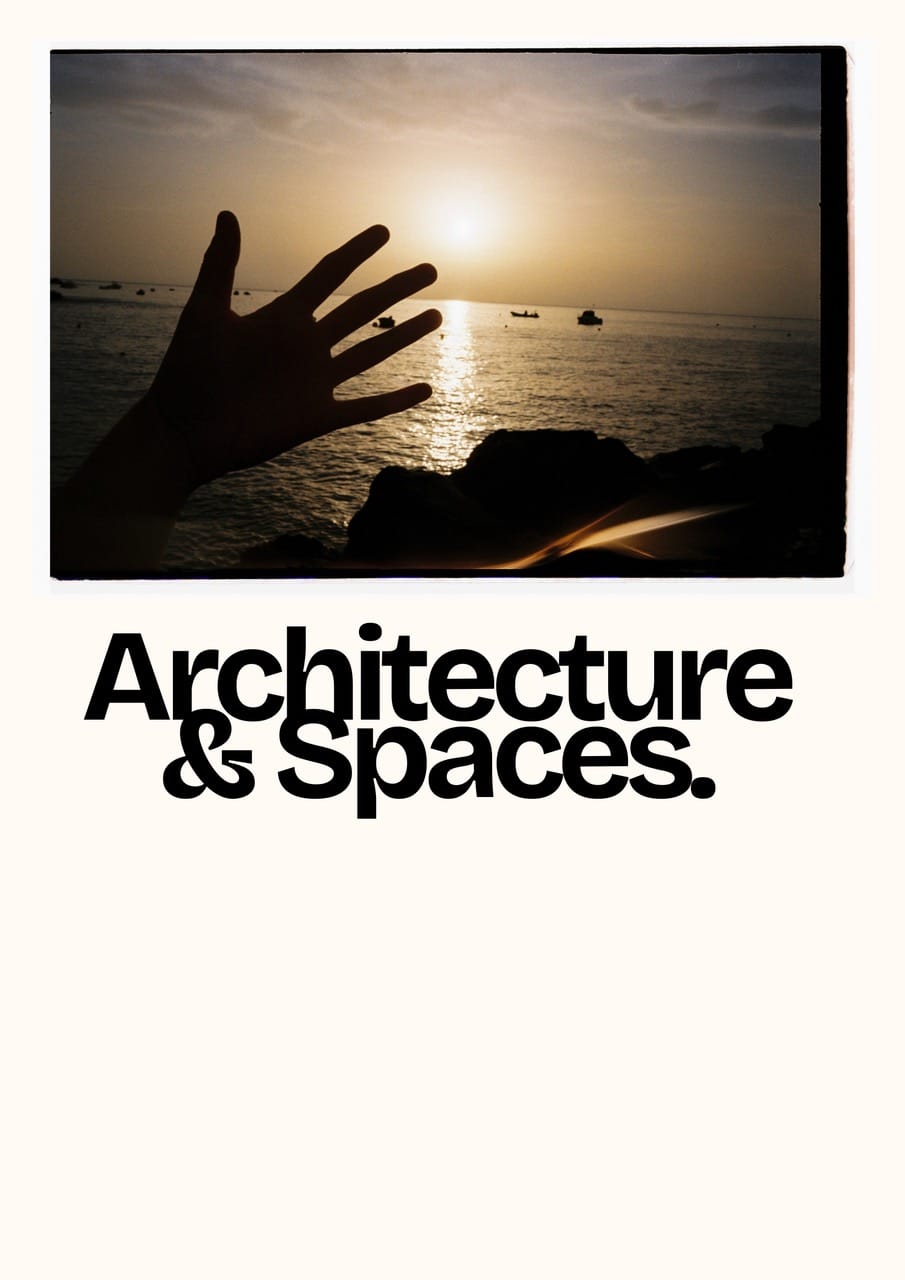
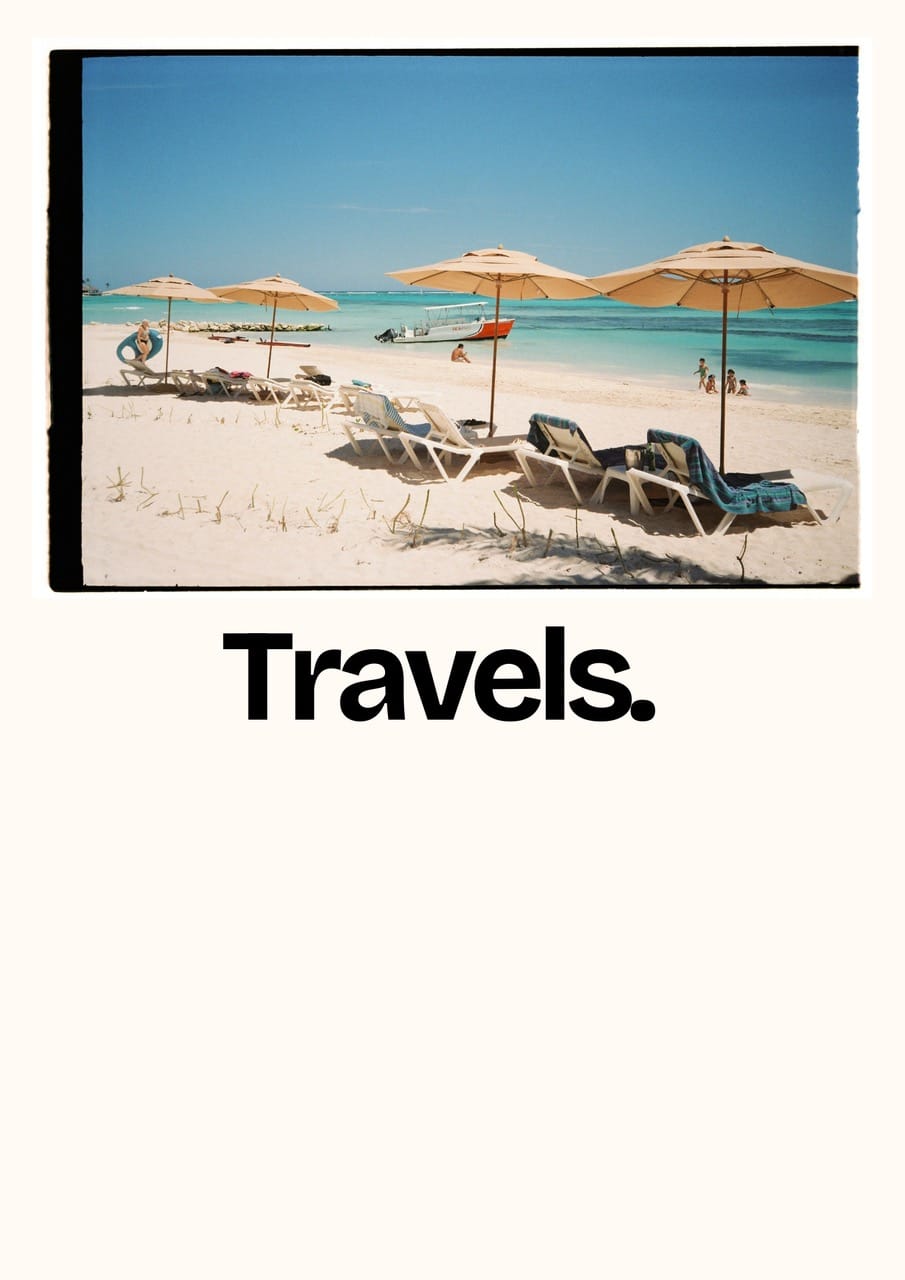
How did you first get into photography, and what inspired you to make it your career?
Photography came into my life by pure chance. I always knew I belonged in the arts, but it took me a little while to find my path. When I was 18, I moved to Madrid to study Fashion Styling. One of the subjects was photography, and I got hooked pretty quickly. At the same time, blogs, MySpace, Fotolog, Tumblr… all of that was exploding. Consuming so many images made me want to start creating my own.
After finishing my fashion degree, I did an internship with a stylist. We traveled a lot, and I got to watch many fashion photographers at work: shooting campaigns, building visual worlds, acting as art directors… That’s when I realised fashion alone wasn’t enough for me. I wanted to tell the stories. So I took a very basic photography course and started shooting nonstop my life, my friends, and everything around me.
I believe it was a mix of many things that pushed me in this direction, a lot of stars aligning at the right moment. But I couldn’t be more grateful that photography found its way into my life. I honestly can’t imagine living without it now; it feels as natural to me as breathing, eating, or sleeping.
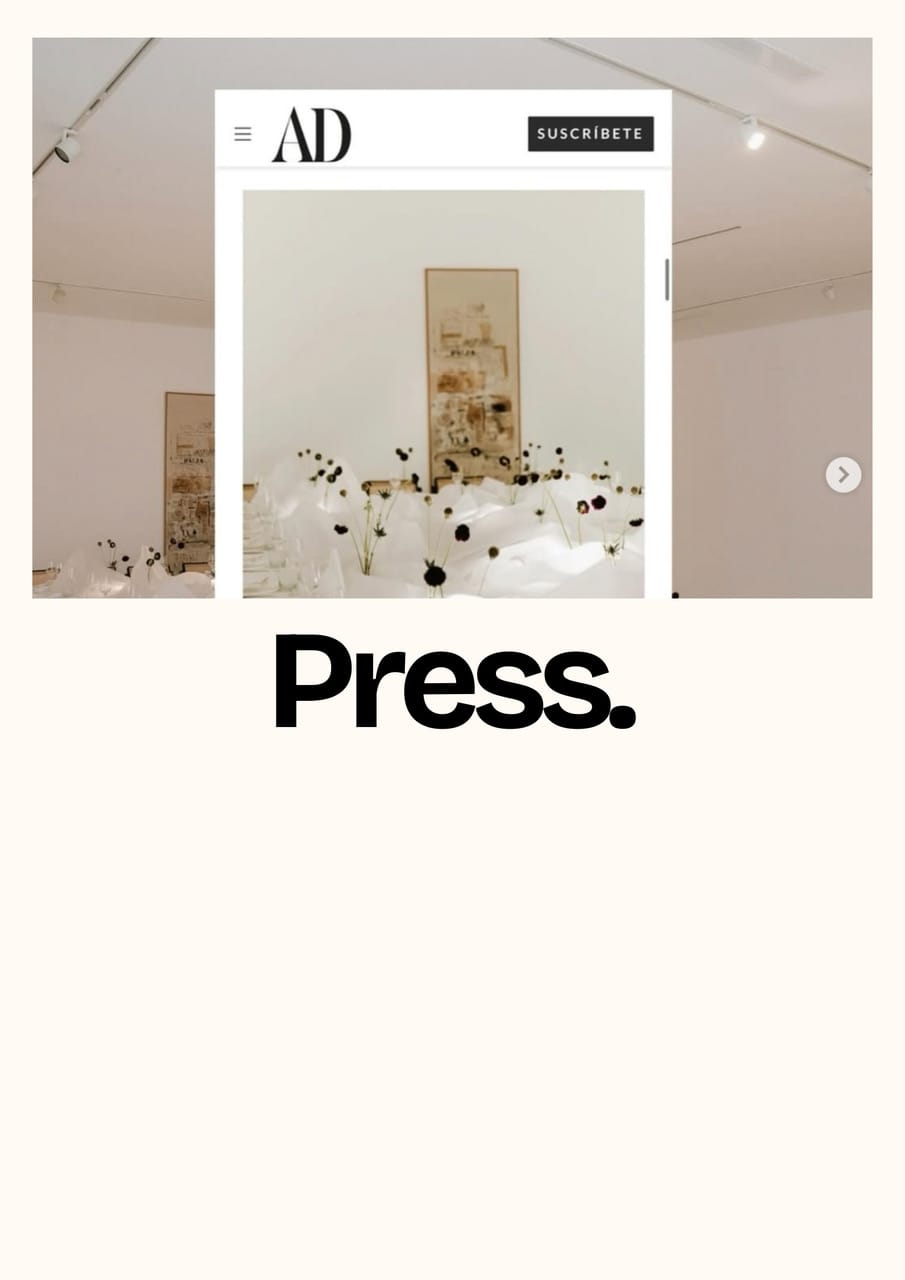
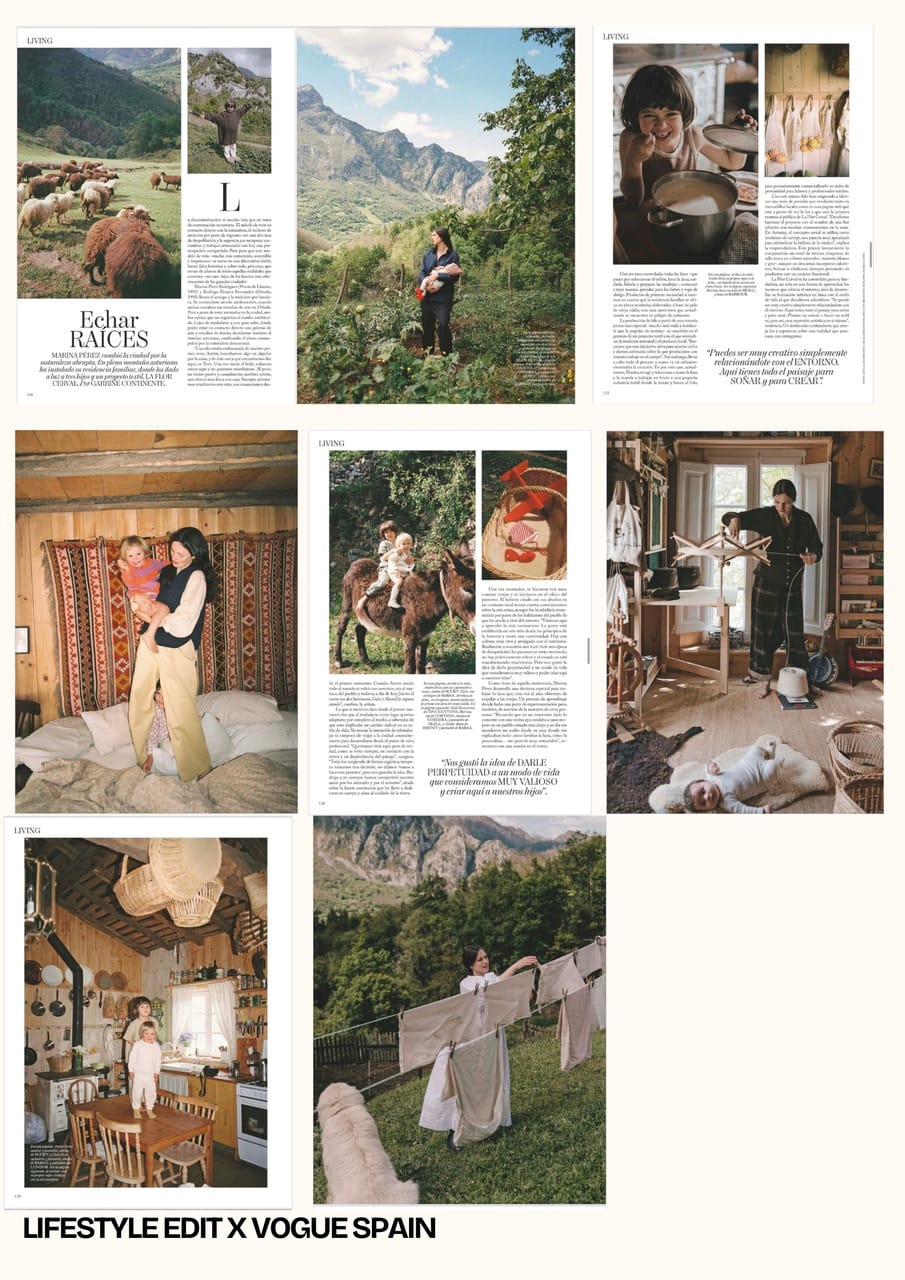
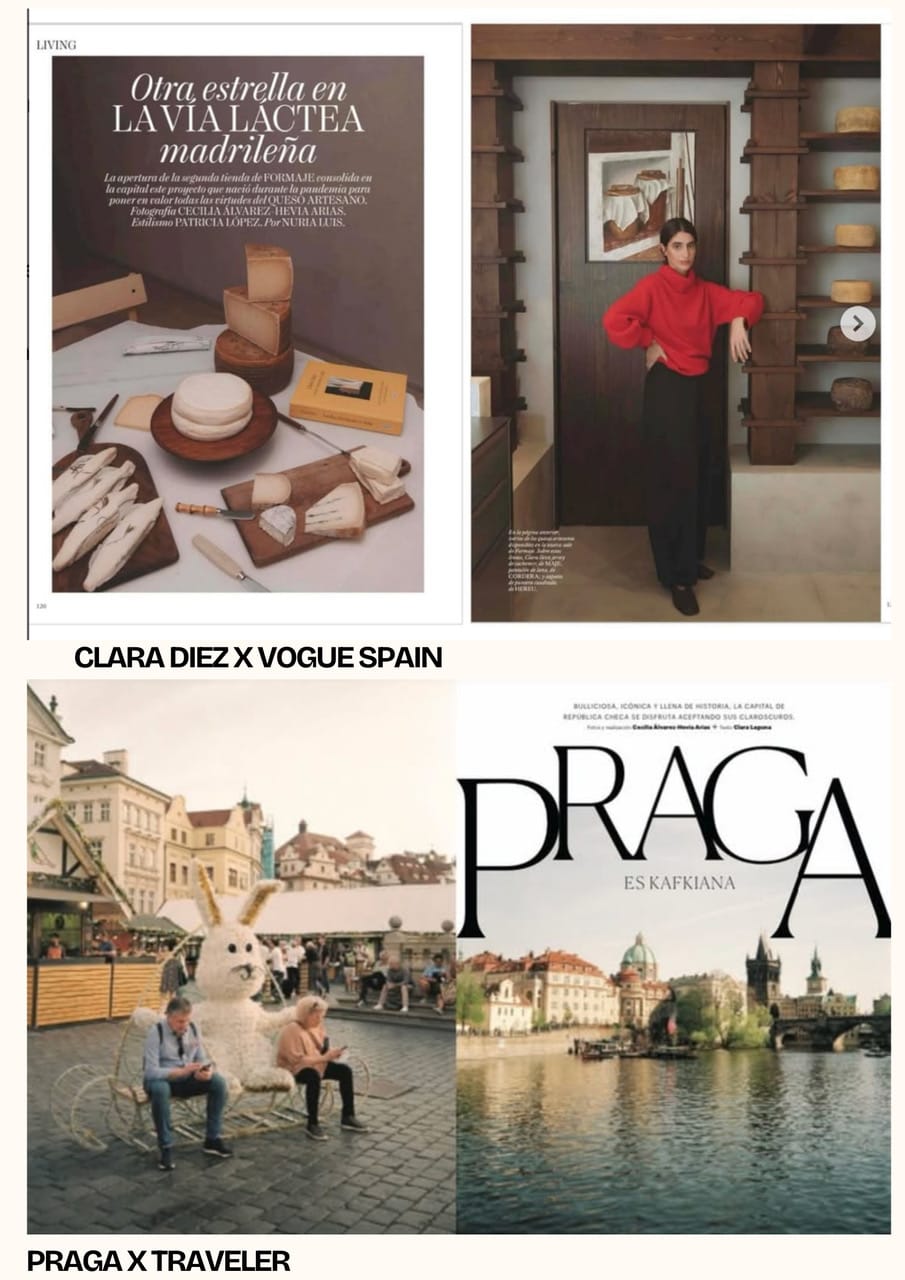
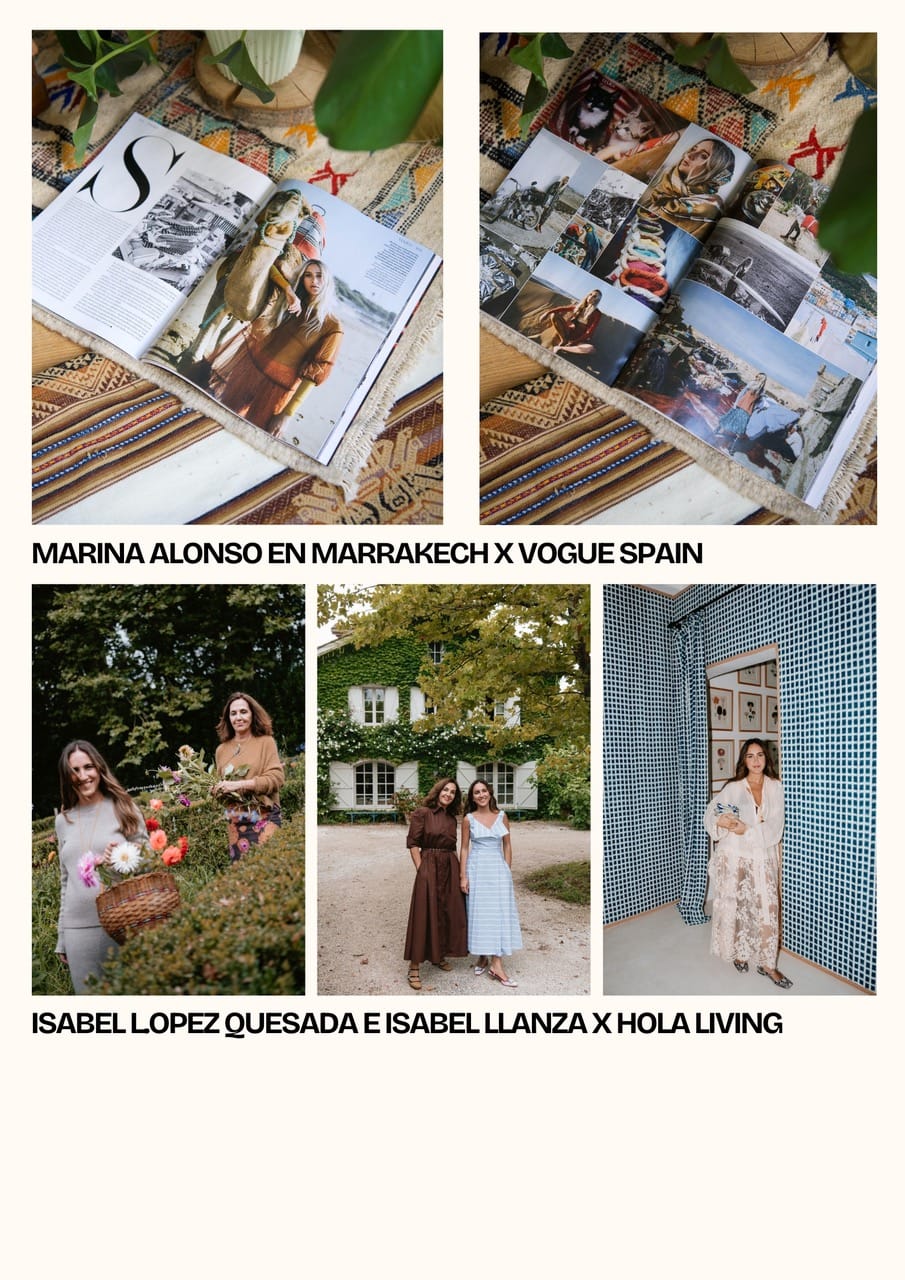
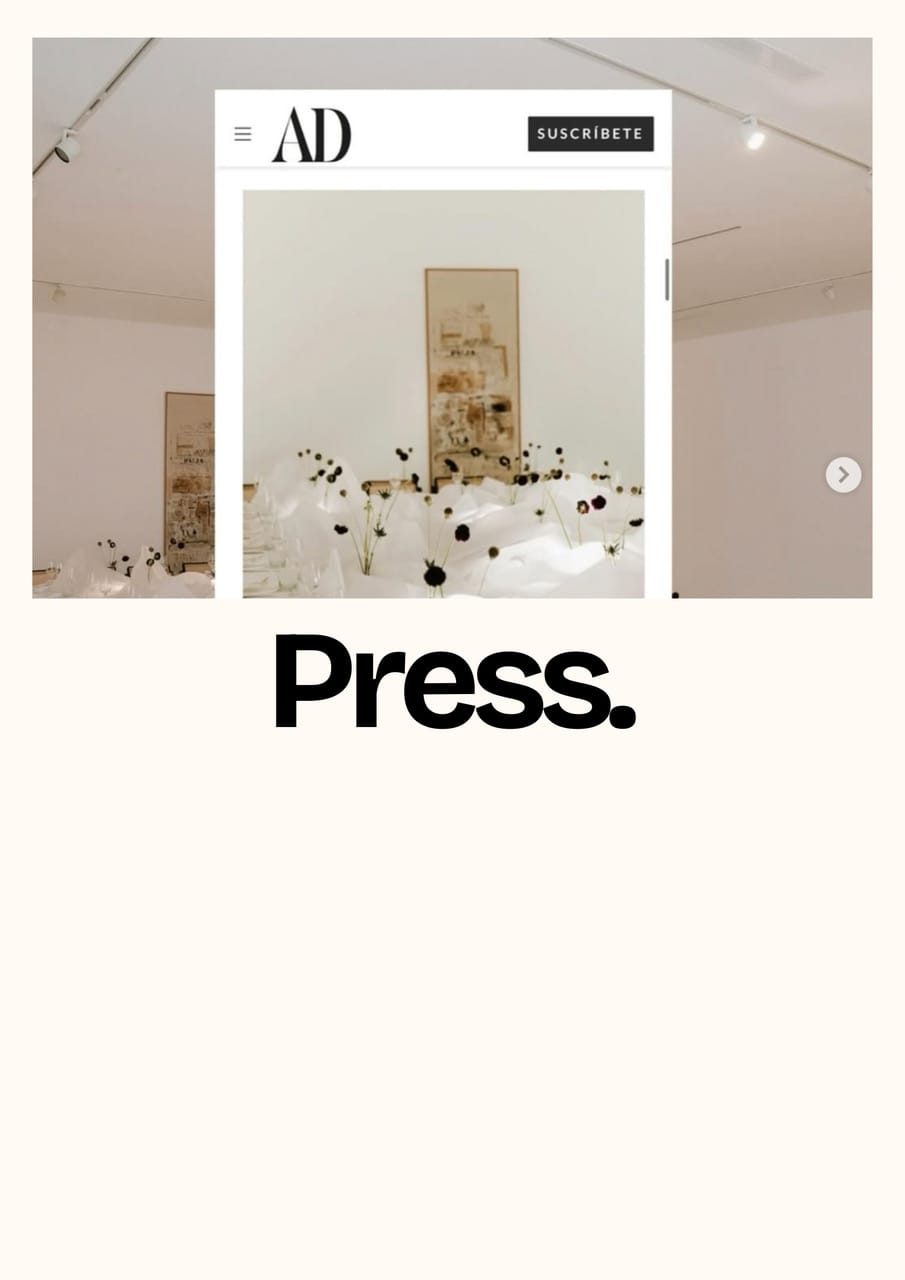
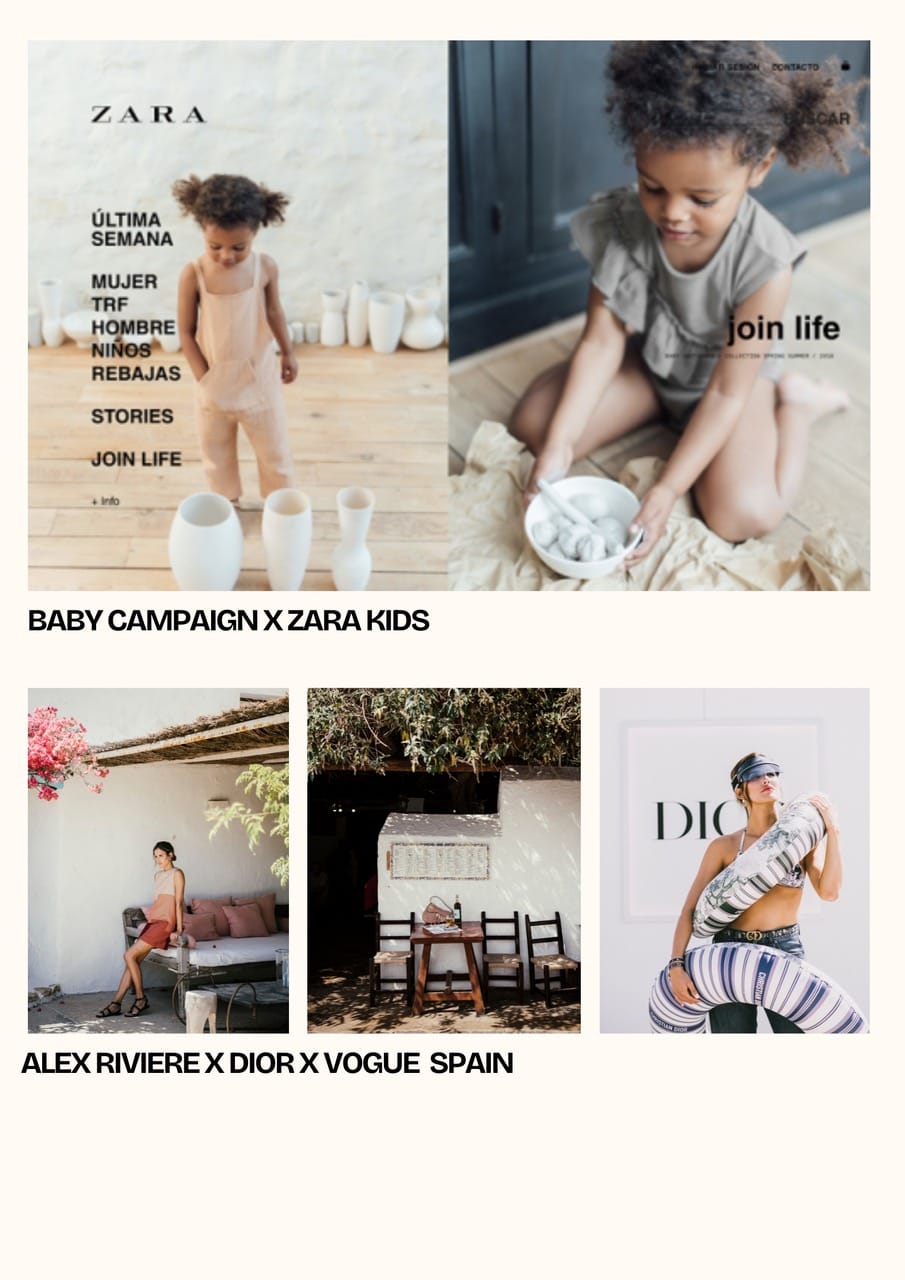
You recently collaborated with @voguespain for the "Mercado de las Flores" December edition, as well as Condé Nast Commercial Creative Spain for others of their publications. What impact did these collaborations have on your photography brand and creative journey?
I always love remembering this story. When I was 18, still studying fashion, my best friend and I were having a beer one day and decided to write down where we wanted to be in ten years. I remember perfectly what I wrote: WORKING FOR VOGUE. The day I got my first opportunity to work with Vogue, that moment came straight back to me, and I thought:"Cecilia, my friend, you did it!"
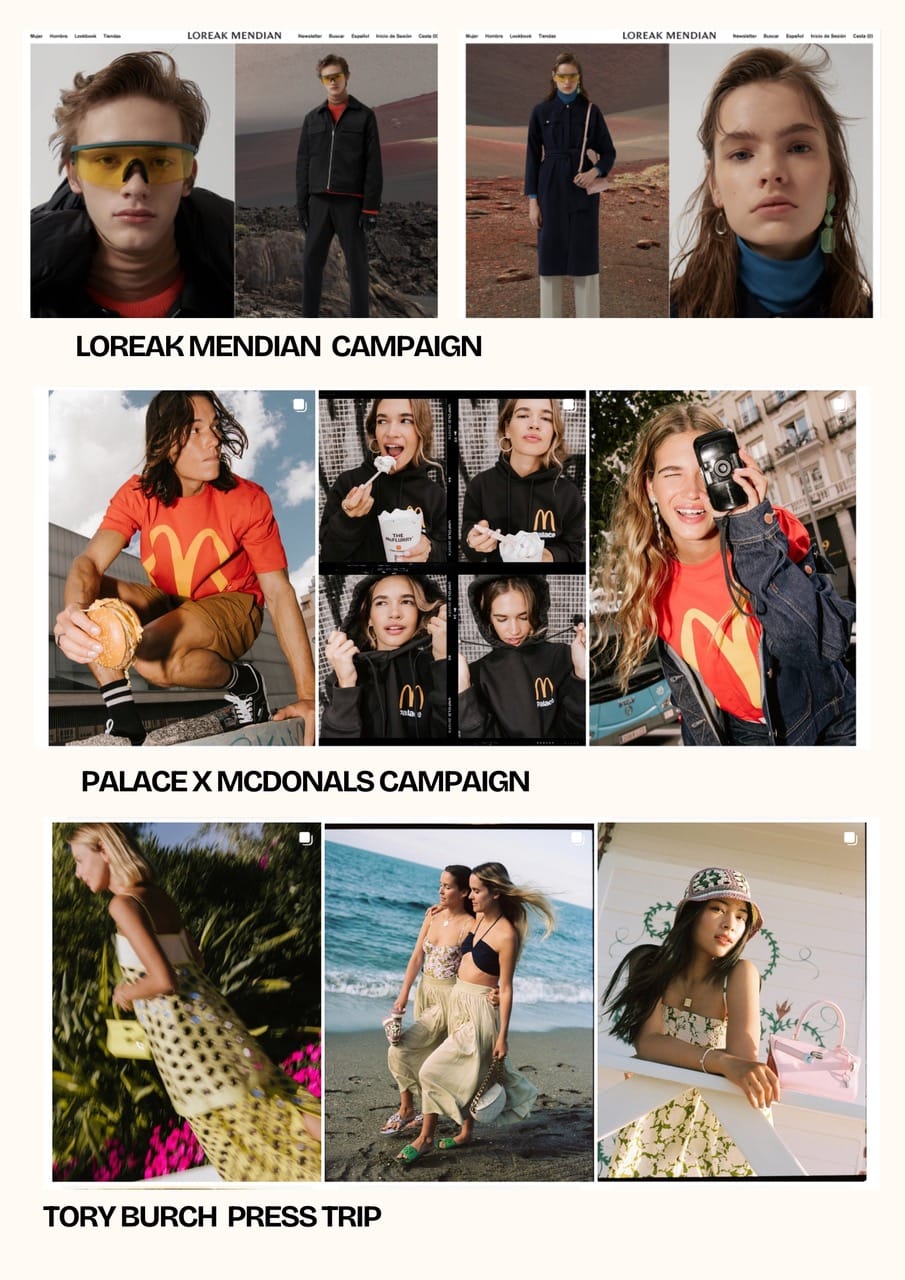
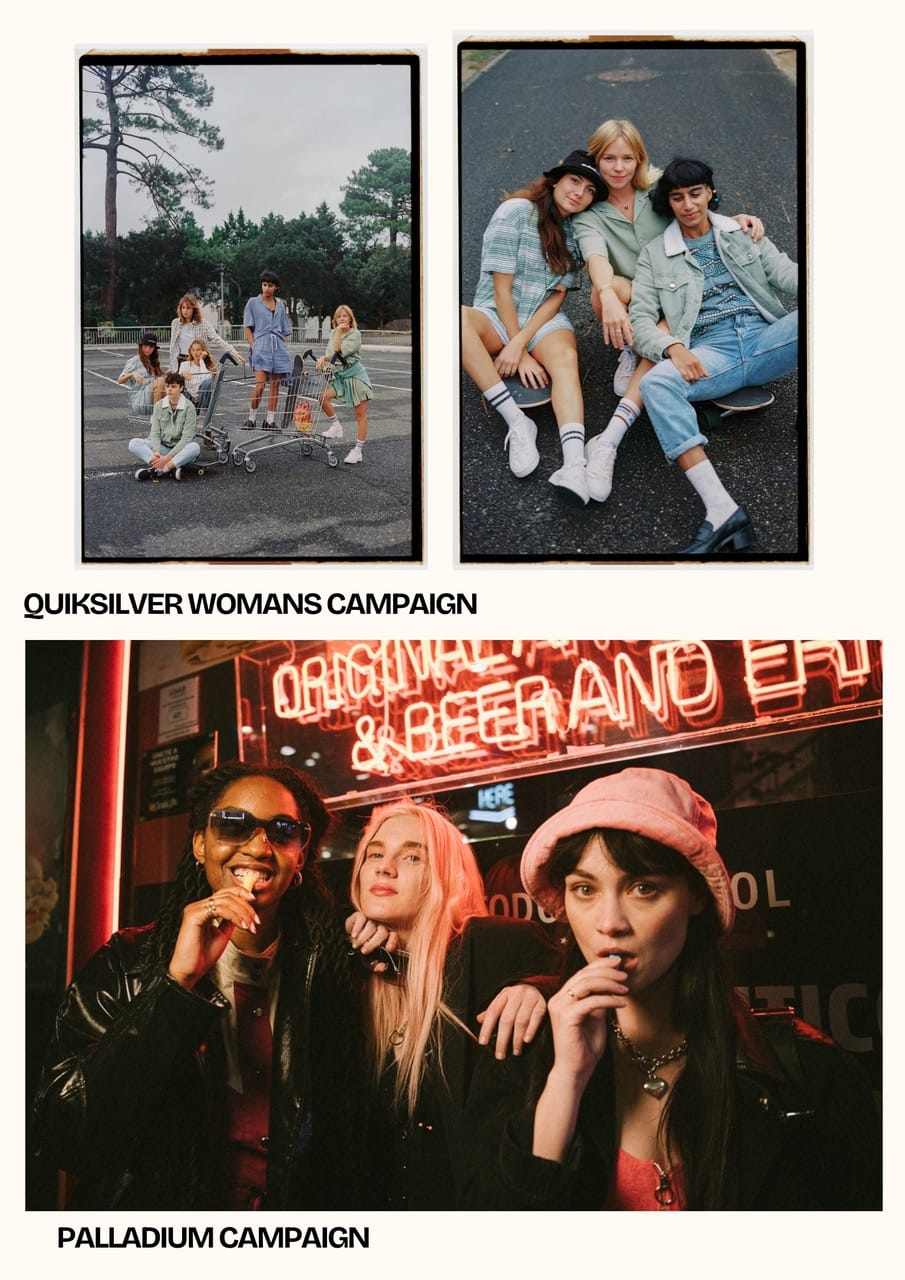
I’ve been a contributor for years now to both Vogue and Condé Nast Traveler, which happen to be my two favourite magazines, so I honestly couldn’t feel more grateful.
It’s amazing to feel their trust. I often come up with crazy ideas or editorial projects, and they always believe in them. They tell me, "Yes, Cecilia, go ahead, tell that story." Some of my most beautiful projects, like the photos of Marina and her family and her project LA FLOR CERVAL, whom you also interviewed for this blog, I created for them.
It’s such a boost to know there’s someone behind you willing to share your story. And having that platform allows you to reach places, discover corners of the world, or live experiences as press that you simply wouldn’t have access to otherwise. That’s what happens to me with Traveler, thanks to that magazine, I’ve discovered incredible places I wouldn’t have even dreamed of.
Honestly, Condé Nast feels a bit like family. Even though I don’t work there physically, I know they’re always there and they count on me, and that’s really special.
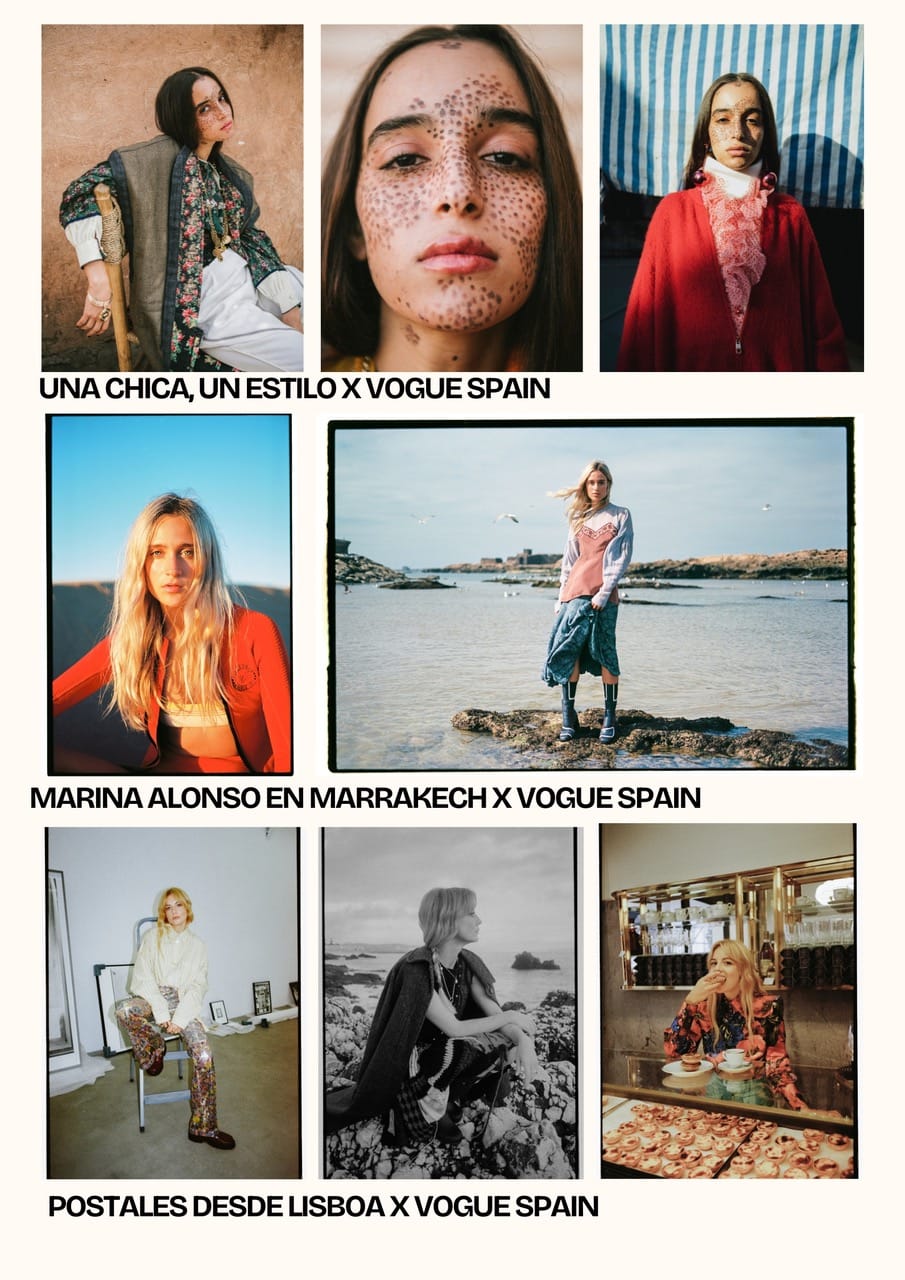
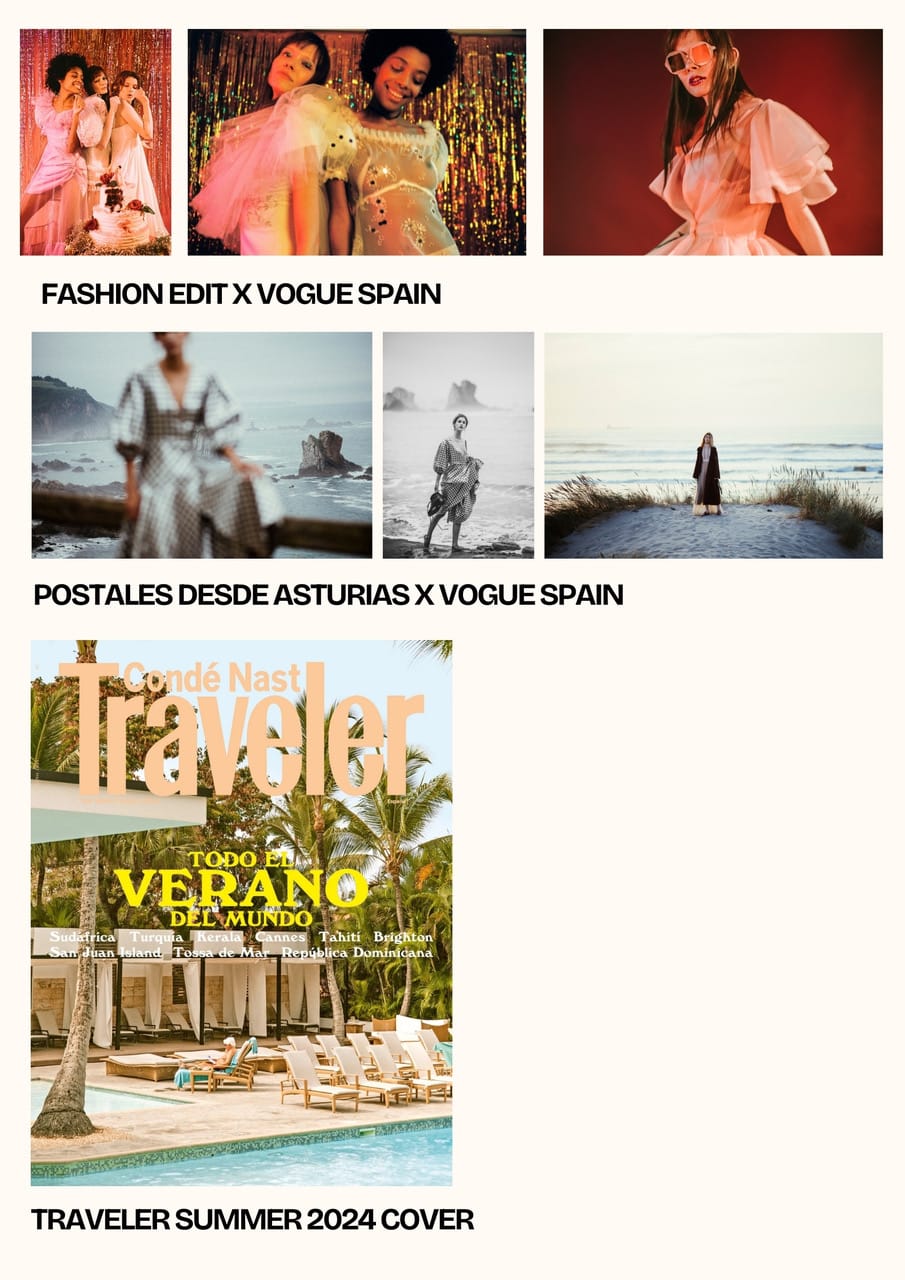
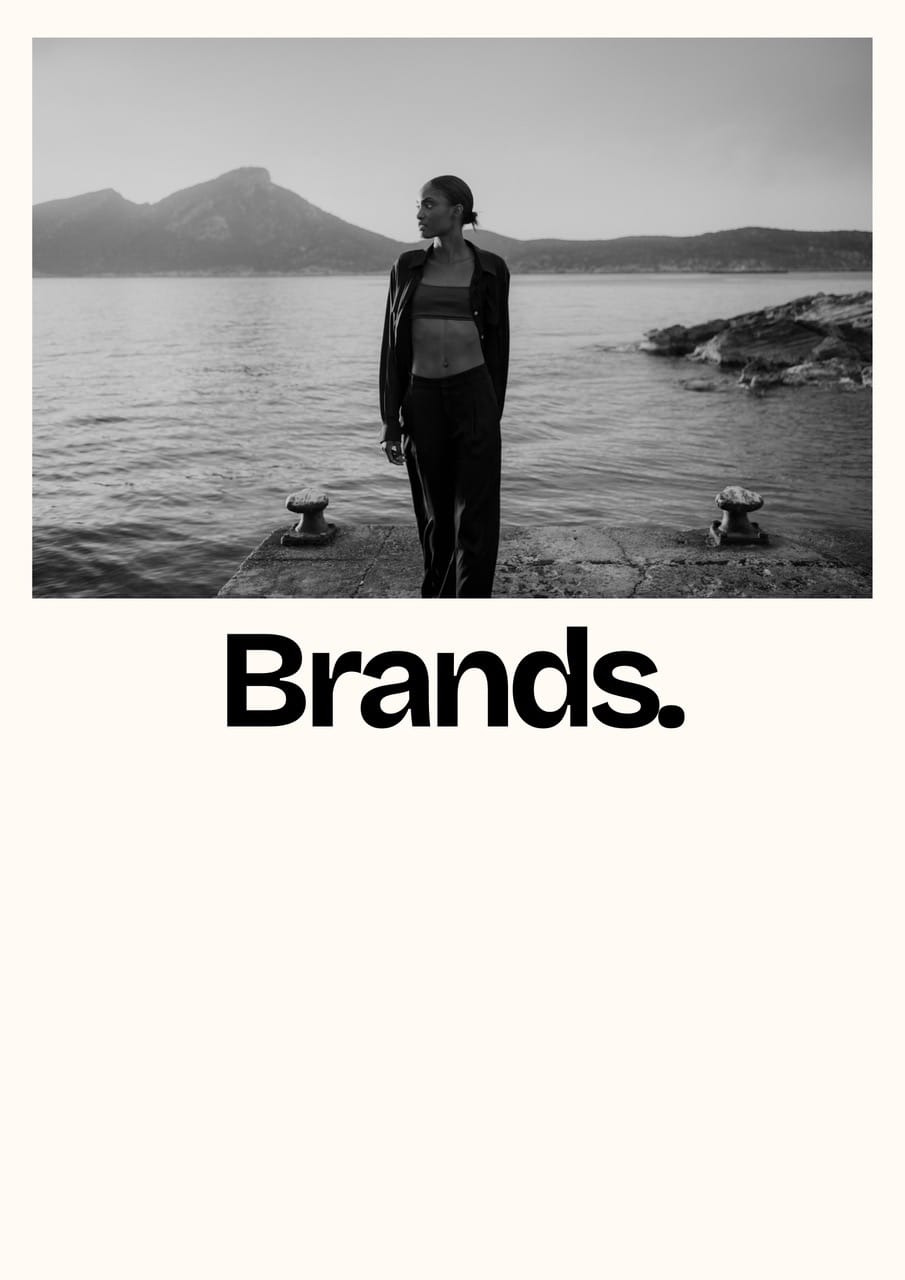
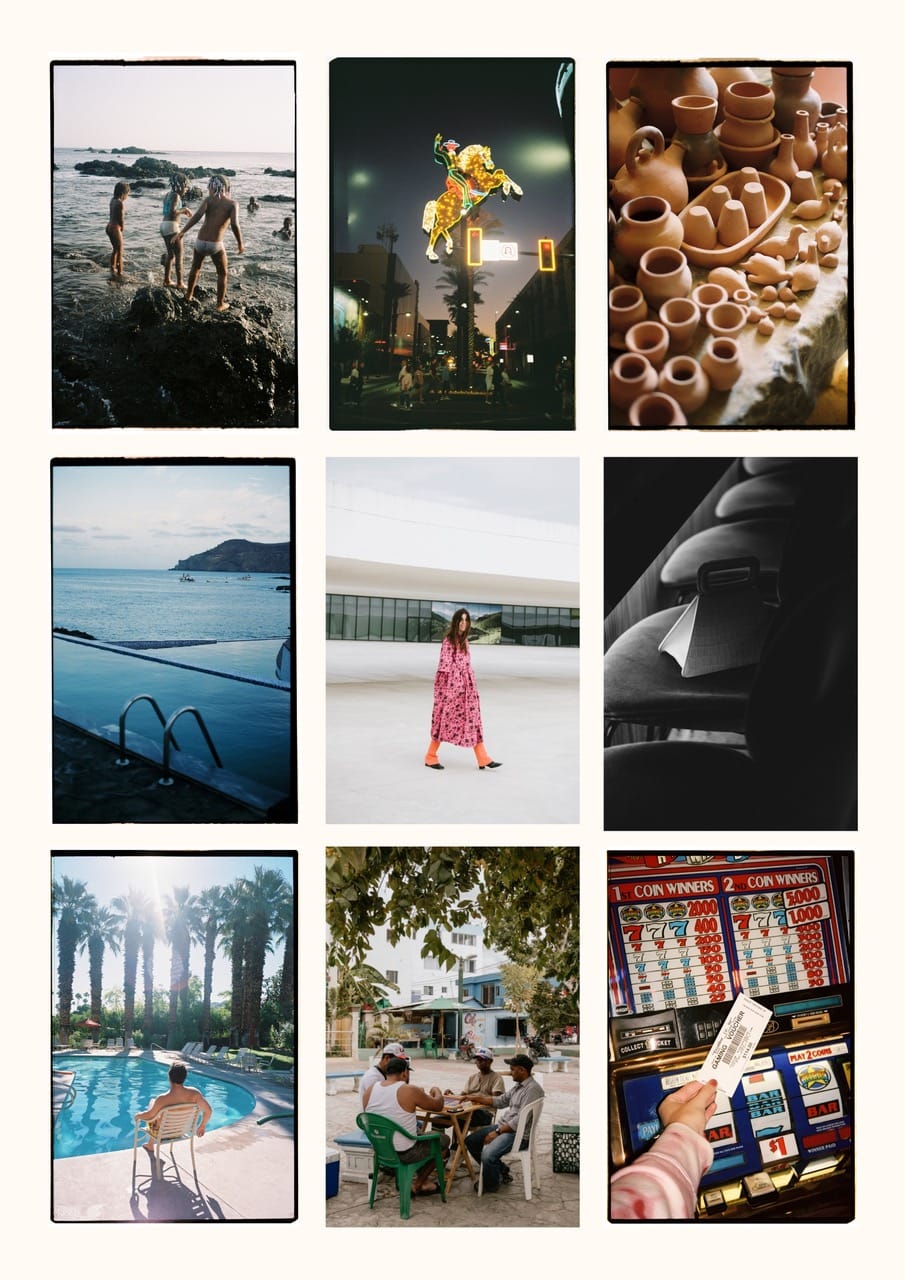
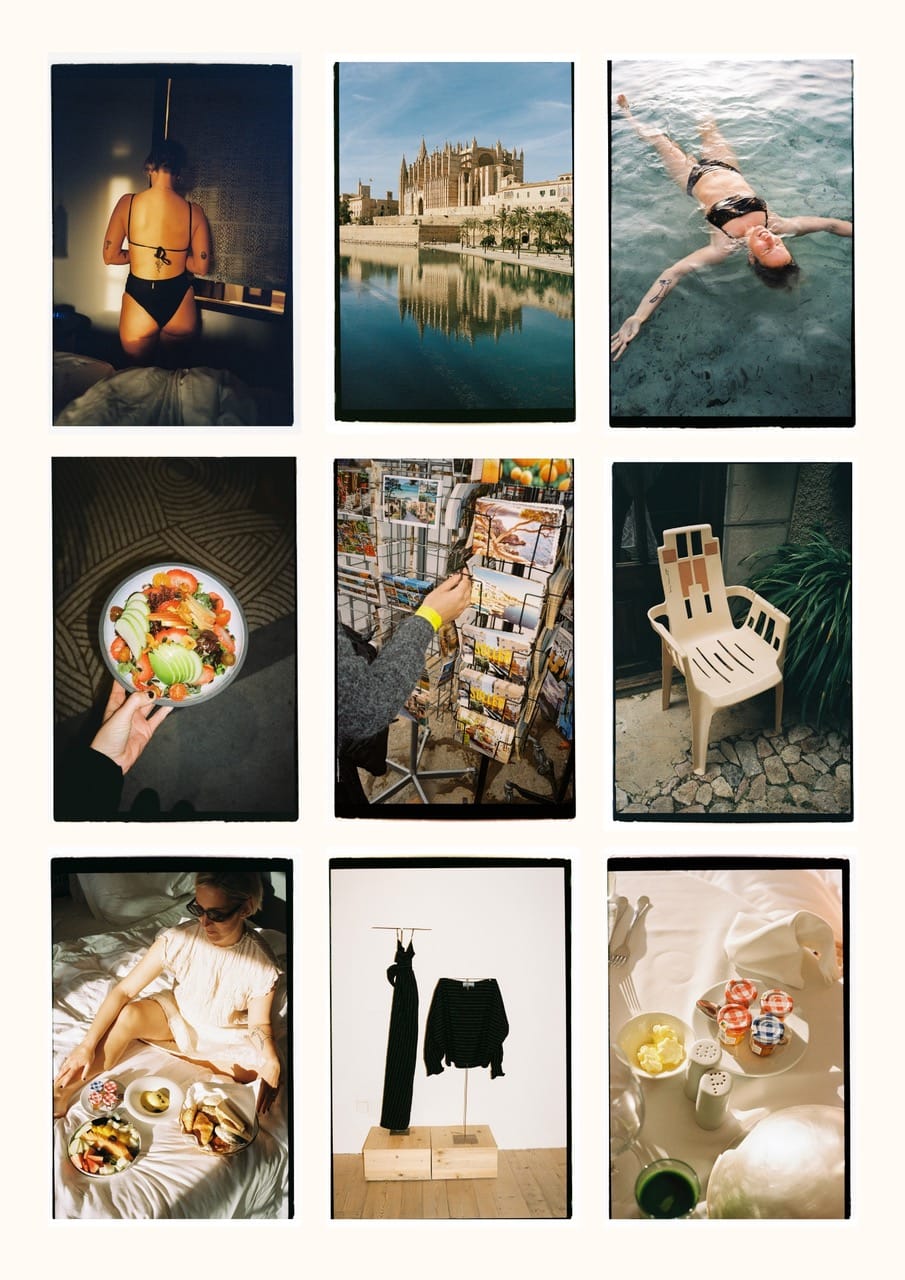
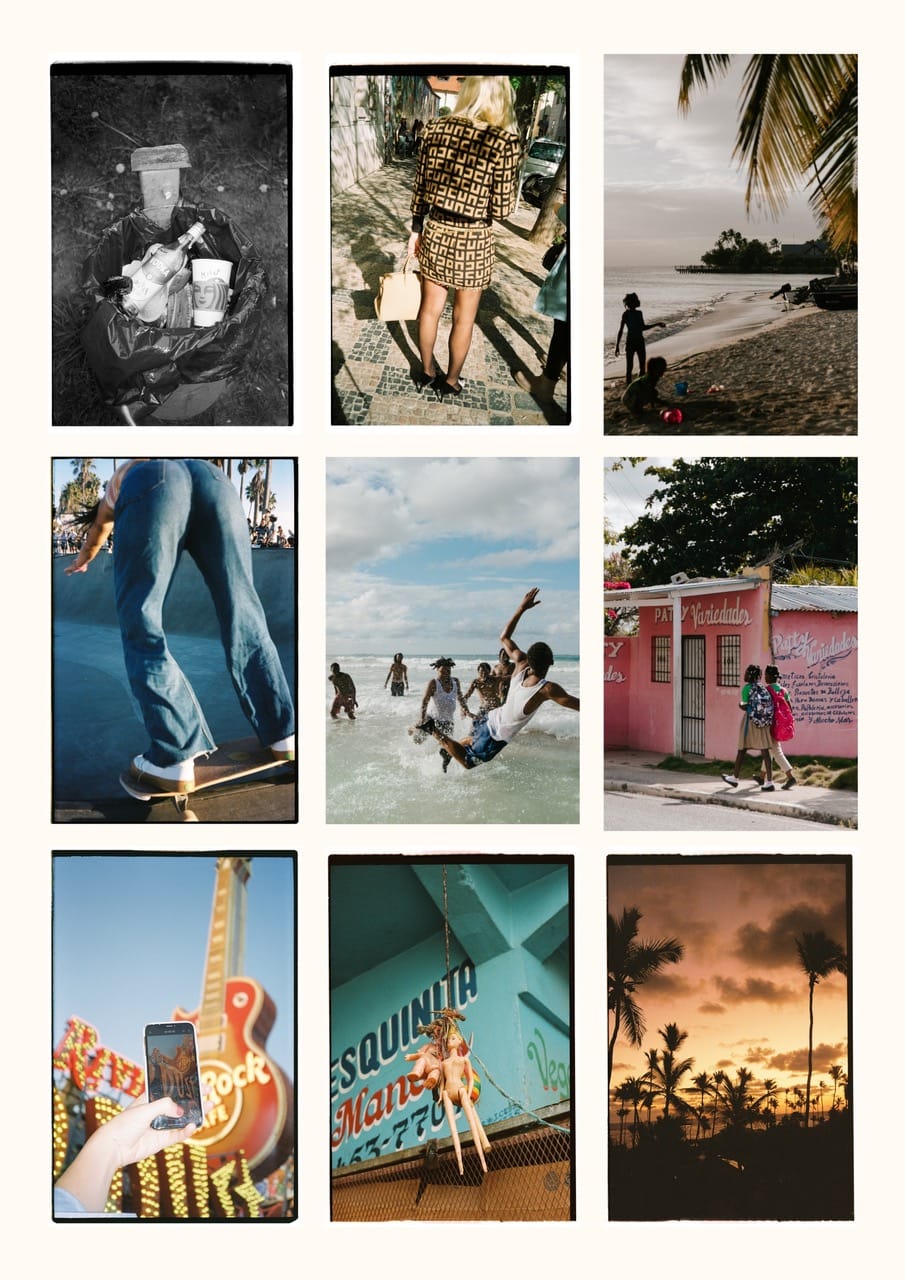
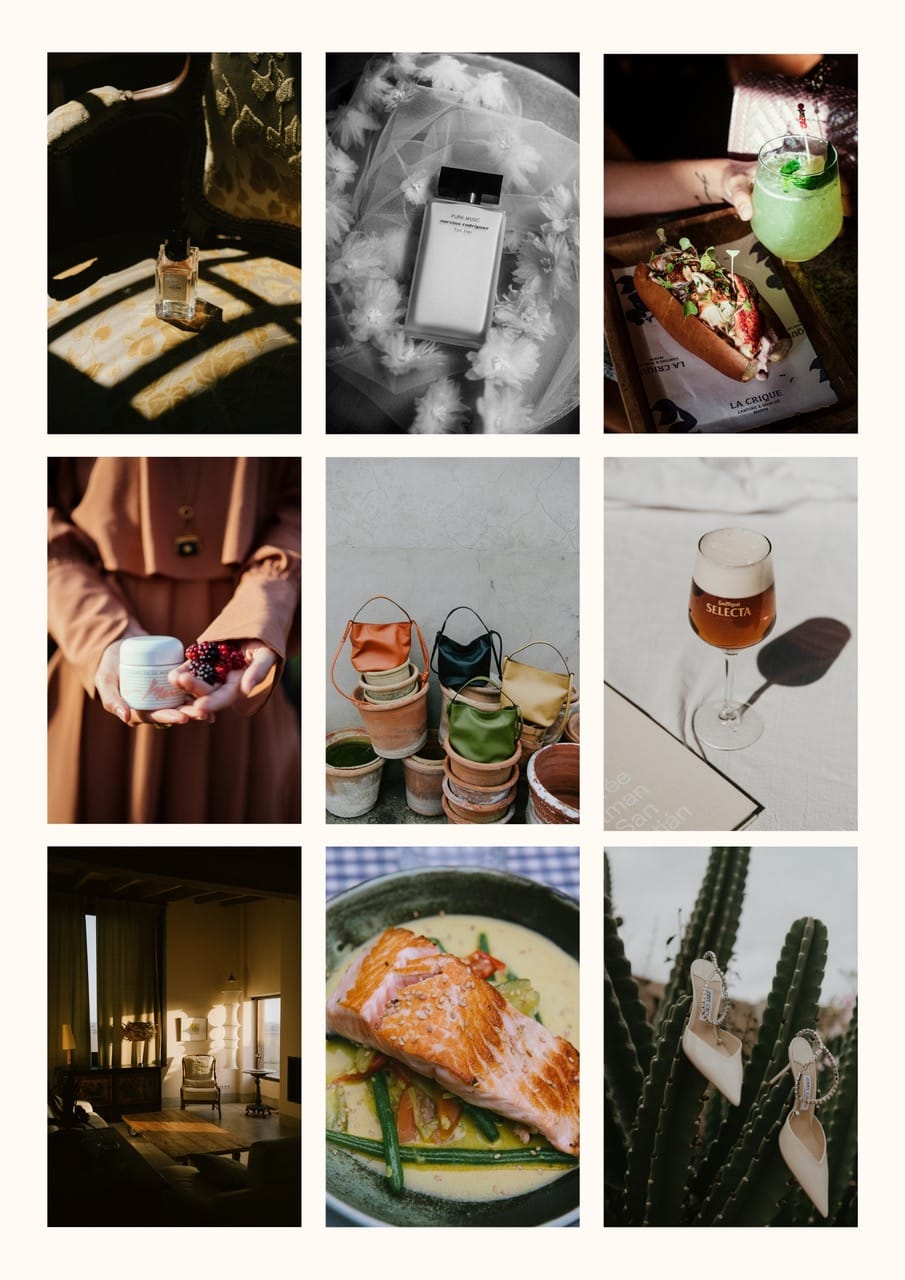
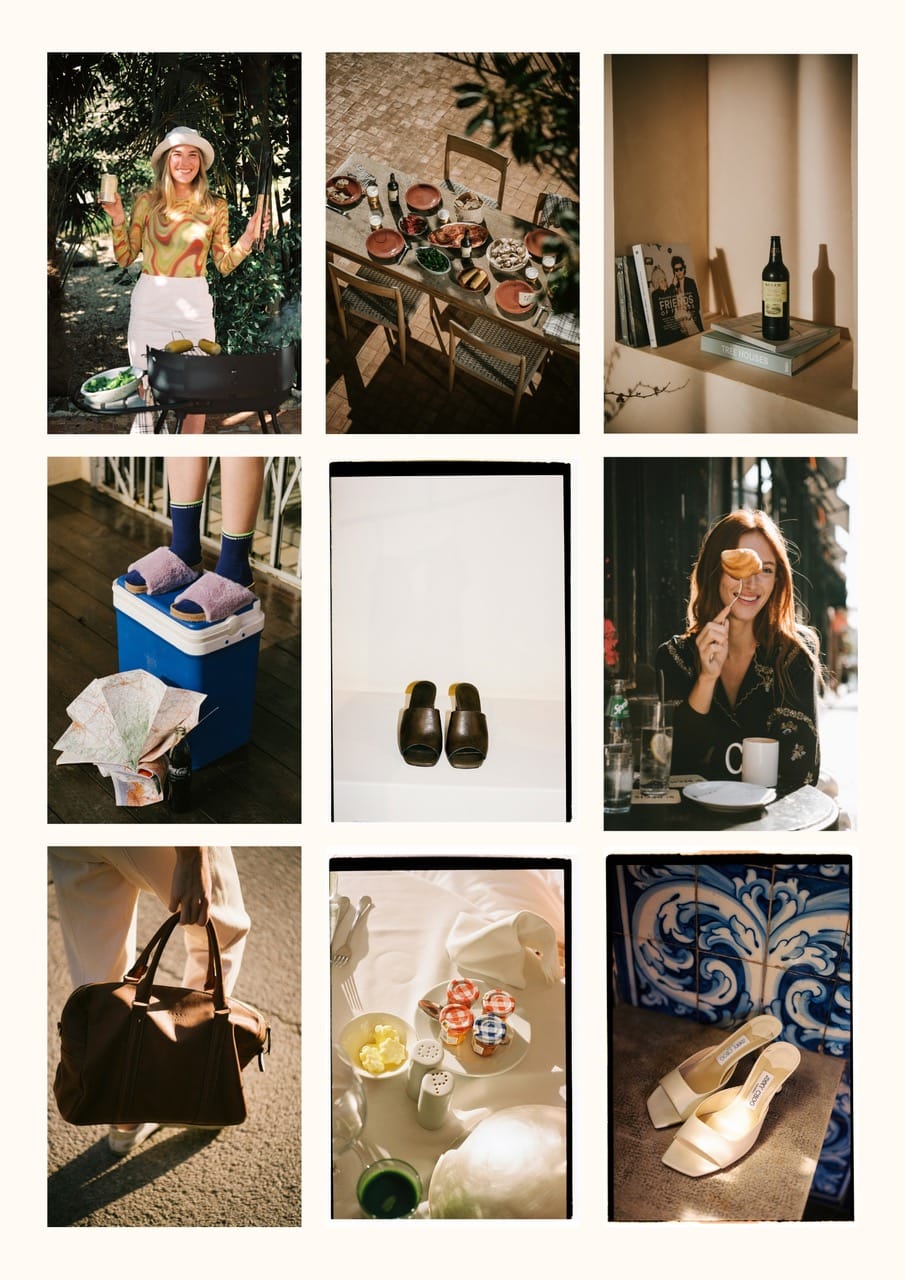
What caught my attention when I discovered your Instagram account is your distinctive style; your photos are very detail-orientated, using digital and film photography, but each and every image is somehow full of life, featuring a deep sense of exquisite aesthetics. How would you describe your aesthetic or signature style?
First of all, thank you :) It makes me so happy when people feel that my photos are full of life. In many ways, your photography speaks for you; you choose the frame, what you want to show, and what resonates in your mind. You decide which moment you want to share with the world, so when you think about it, it’s actually something very intimate.
I think my photography is a bit like me: chaotic, messy, young (at least in spirit, hahaha), fresh, and full of life. It’s always aesthetic, because beauty is a constant pursuit in my work, but occasionally it can be quite critical too.
Sometimes when I see those minimalist, clean, simple images, I become a bit jealous. But even if I try, I’m completely incapable of existing in that universe, hahaha. I embrace my style and my chaos. I think it defines me, and it’s part of who I am; I don’t think I’d know how to see the world any other way.
I noticed that you shoot fashion or lifestyle photos a lot. What role does fashion have in your life, both personally and professionally?
I’ve loved fashion for as long as I can remember, everything about it: the inspiration, the creative process, the technical side. Fashion is pure art. It absorbs so much from everything around it that it becomes an endless source of inspiration.
When I watch the fashion weeks, I go absolutely crazy in the best way, enjoying every fabric, every reference, every detail. In the end, it’s a language, and once you learn its codes over the years and you’re able to speak it and understand it, it’s just pure pleasure.
Professionally, I love working in fashion, but it often brings up moral dilemmas for me as a FEMINIST woman (yes, in capital letters, because it feels like lately saying you’re a FEMINIST is somehow controversial). A big part of the industry still works with very specific sizes, ages, beauty standards… and there’s a huge side of it driven by consumerism and capitalism. So sometimes I have to navigate that contradiction, and it’s not always easy.
Right now, I don’t do as much fashion in the traditional sense. I’m more focused on lifestyle and a type of photography that’s more about storytelling. But I love it when I get to bring those two worlds together, like we did with the Flor Cerval story, or a few years ago on a trip to Ribeira Sacra with Clara Diez from FORMAJE, where I could photograph incredible Galician fashion brands while travelling with Clara, discovering the best cheeses and farms in the area.
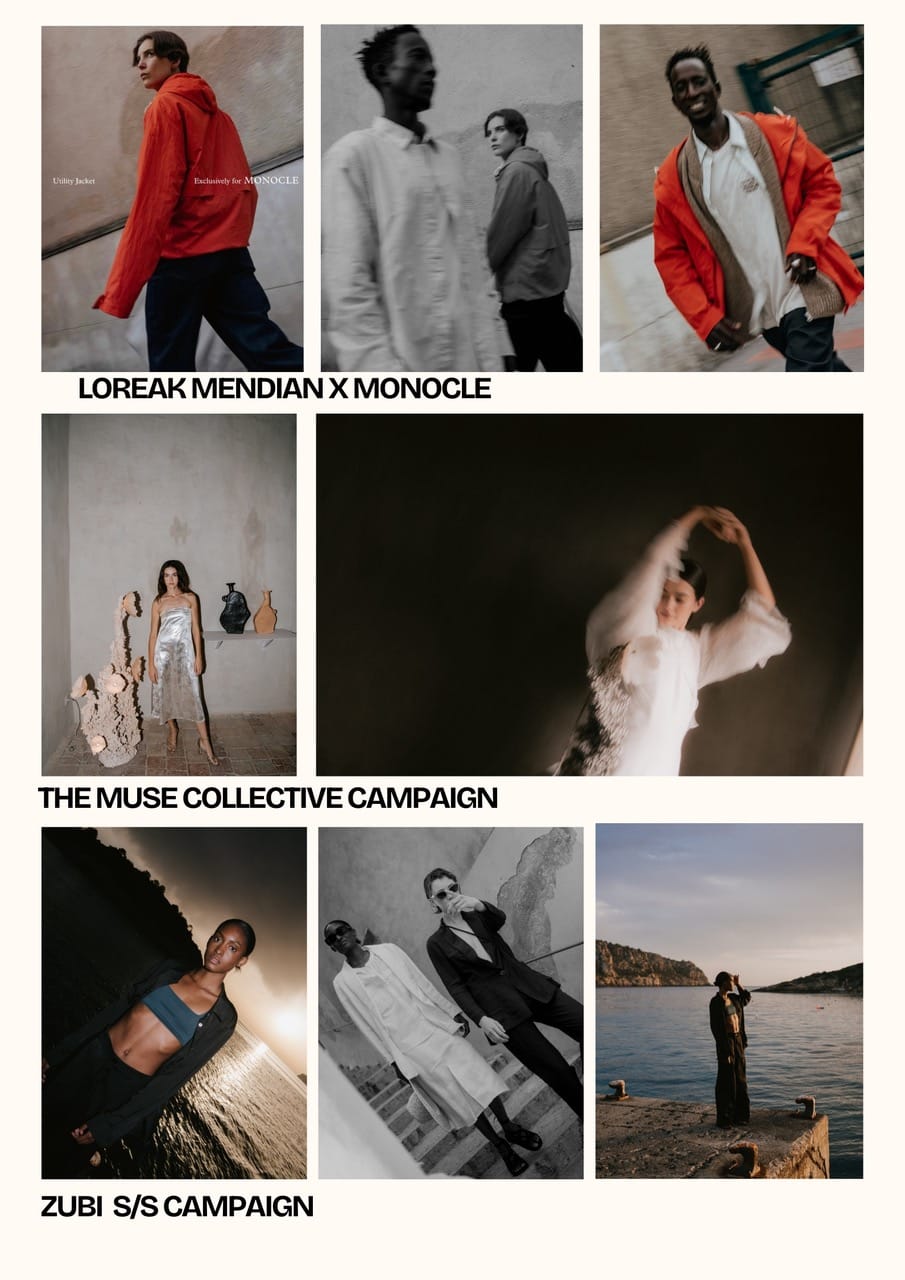
I also noticed that you capture social themes, protests, and human rights through your lens. I am personally striving to use my voice to make some minor changes in our society. Please share what motivates you to capture images and use your camera to address social issues.
My understanding of the world always shapes my work, and I strive to make it as conscious and ethical as possible. Whenever I have the chance to choose, I try to work with models who represent a real variety. When I travel for magazines, I always try to support local tourism, highlight small projects, and reflect the social realities of the places I visit. I try to document protests I identify with, like the housing crisis in Spain or the Women’s Day marches on March 8th. I try to contribute in the best way I know how.
I feel grateful, but also responsible, for having a platform, so I try to use it whenever I can, whether through my work or on my social media. It’s not always easy, but I try to do what’s within my reach.
Which photographers or visual artists have influenced your style the most? Whom do you admire, and who inspires you in some way?
I think the people I’ve admired the most have always been women of my generation who were telling stories. I started by looking outward, and the photography of Petra Collins or Tavi Gevinson and the films of Sofia Coppola were pure inspiration for me.
A magical universe created by and for girls. Today it’s everywhere, but I didn’t grow up enjoying those worlds, that dignified creative space between women as a place to be inspired and to build from. So being able to dive into those universes now and nourish myself with them is something I’m truly passionate about.
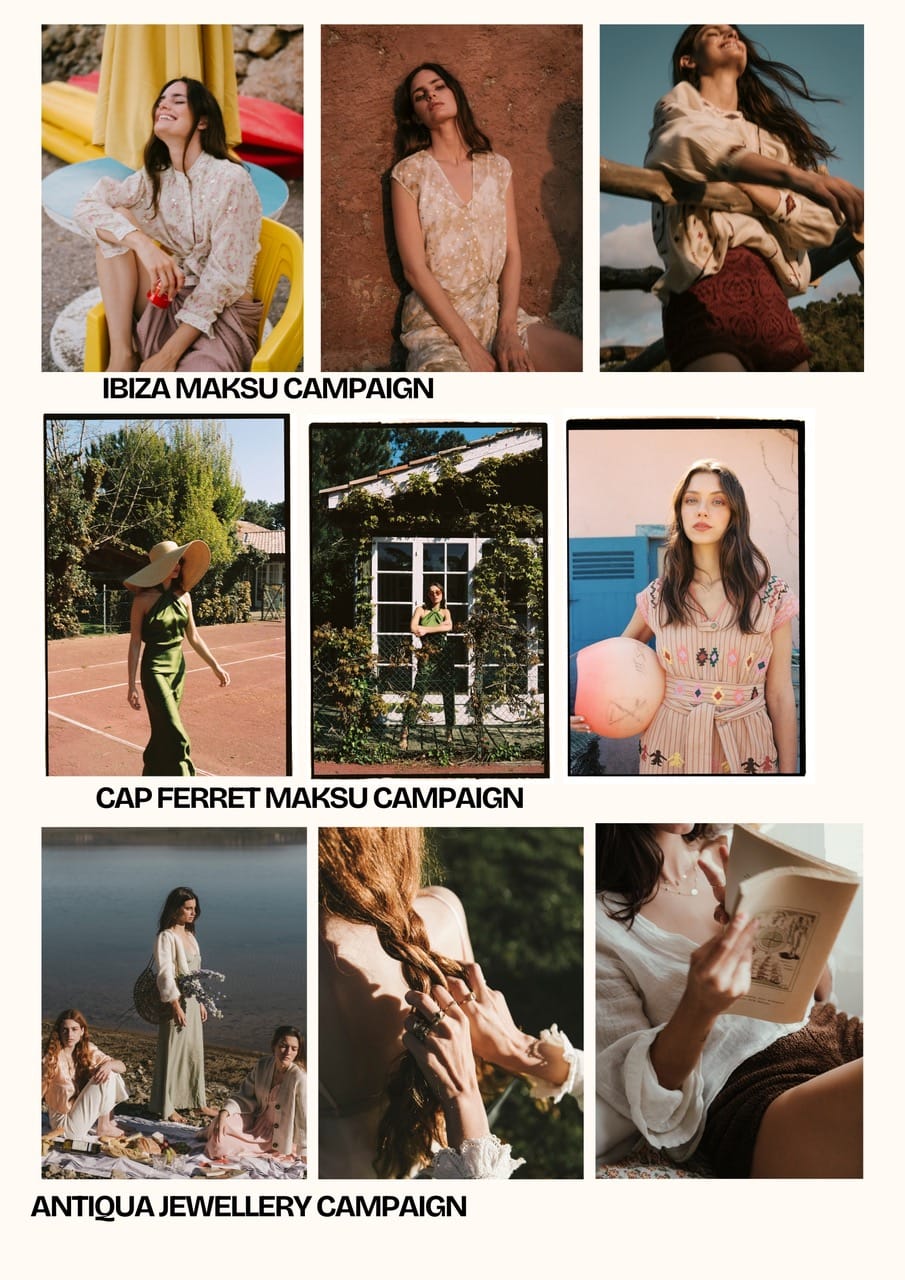
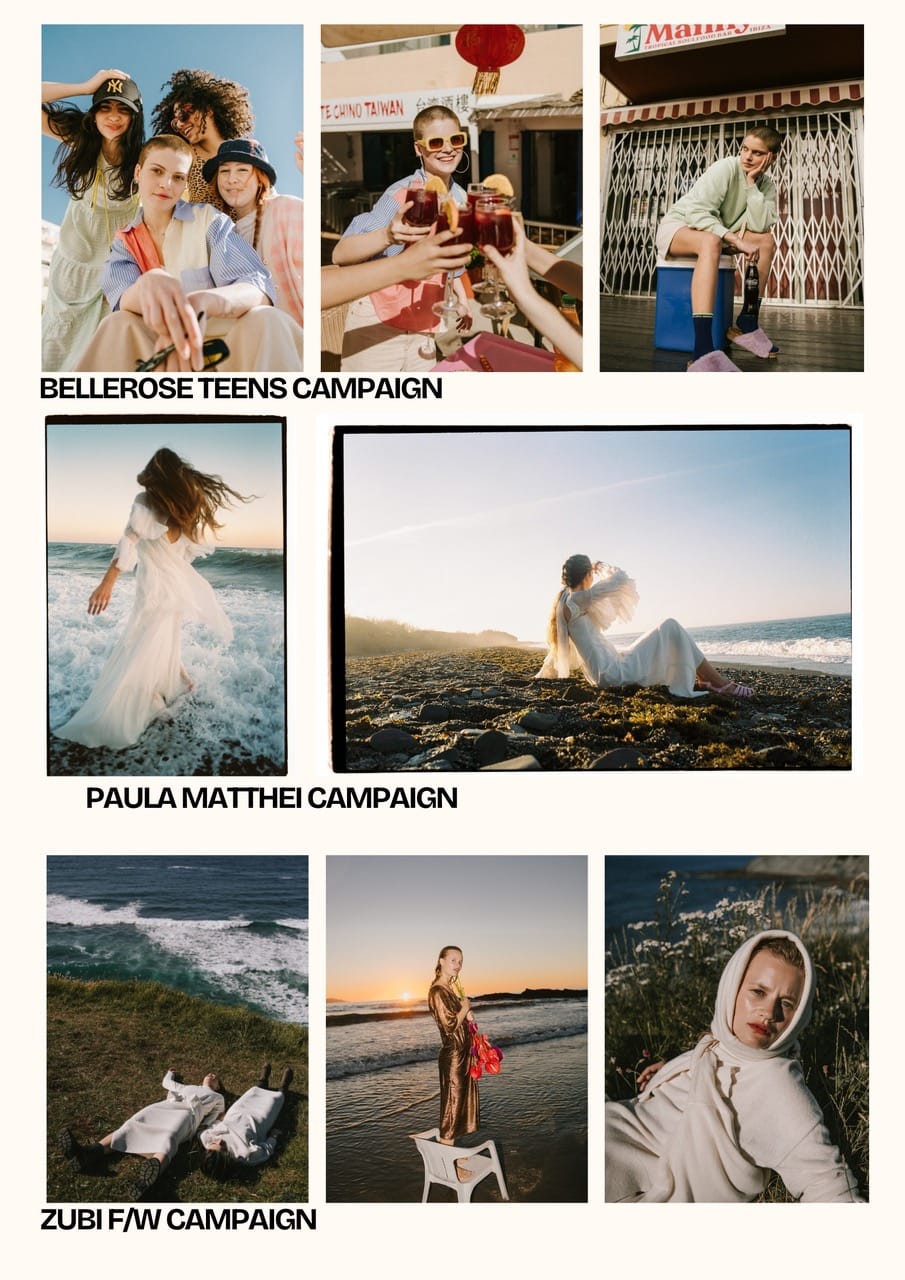
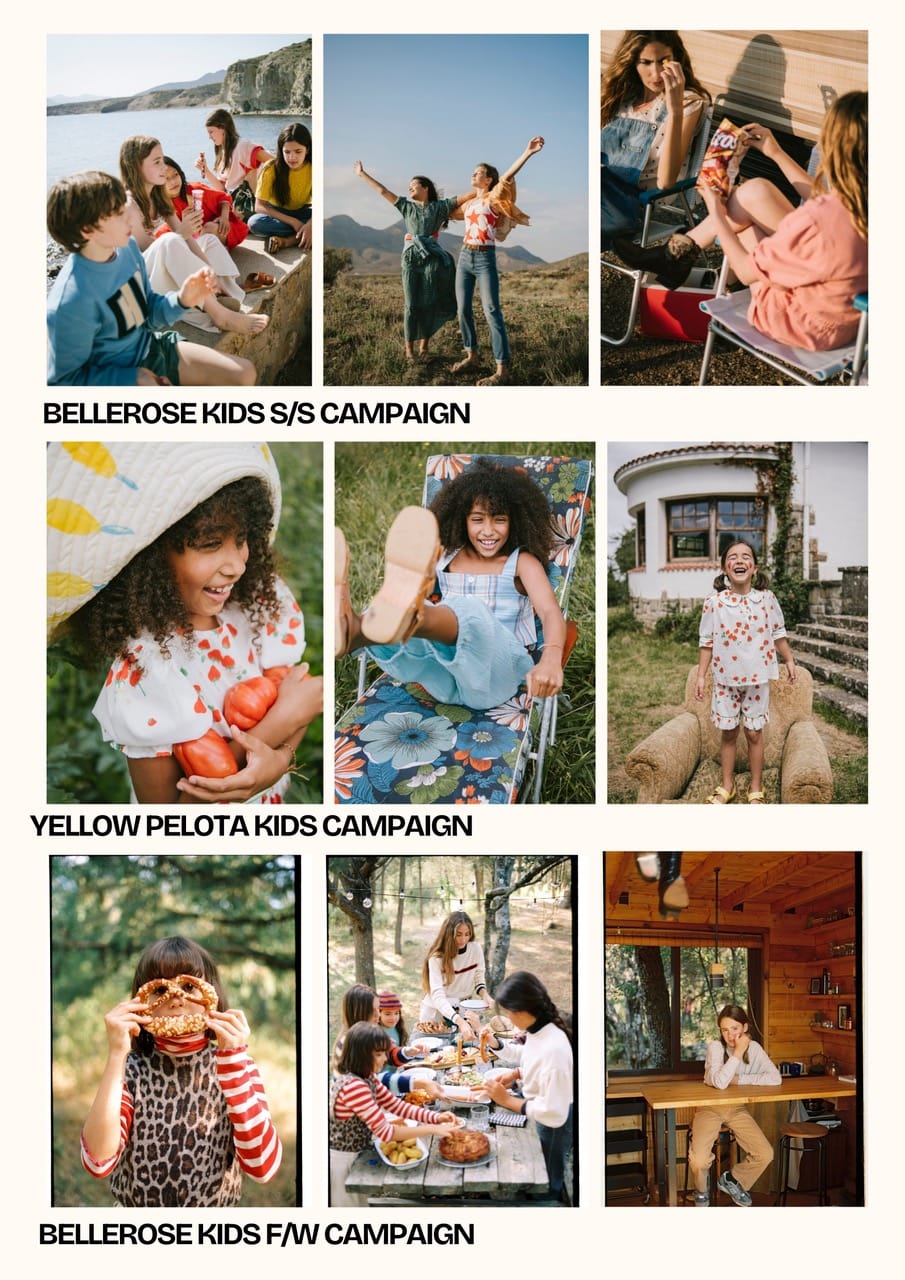
Can you tell us about one of your most memorable projects and what made it special?
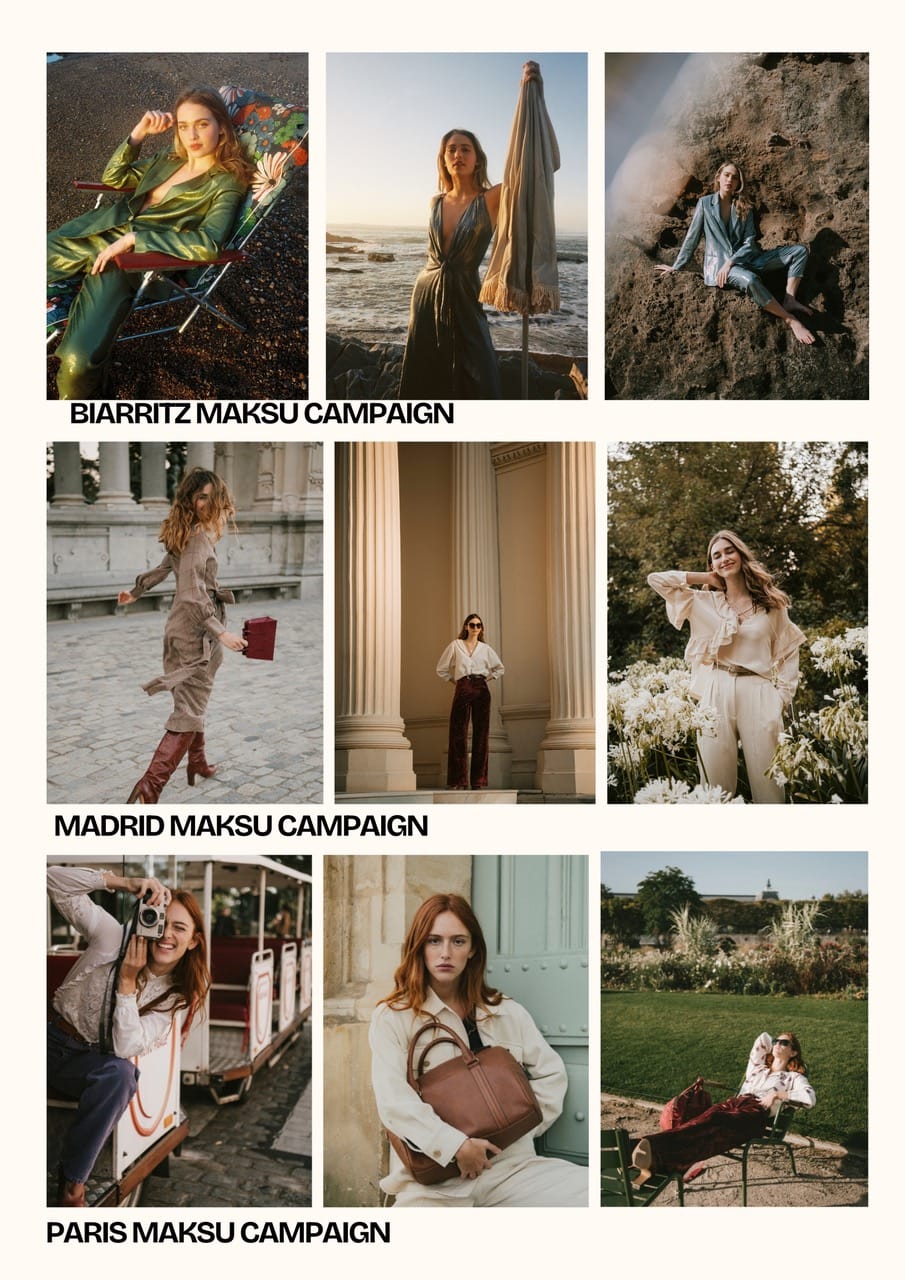
One of my favourite projects, without a doubt, was the shoot in Asturias with the LA FLOR CERVAL family for VOGUE. It brought together all the things I love: storytelling, fashion, a beautifully crafted aesthetic universe, a real story, and a dreamlike landscape, all topped off with the magic of shooting on film. When I sent the photos to my lab, MALVARROSA FILM LAB (they’re the best), they wrote to me completely moved after seeing the project.
They told me it felt like they were developing photos by LINDA McCARTNEY (another huge inspiration for me; her way of photographing the everyday life of her family is just beautiful). I couldn’t have felt prouder.
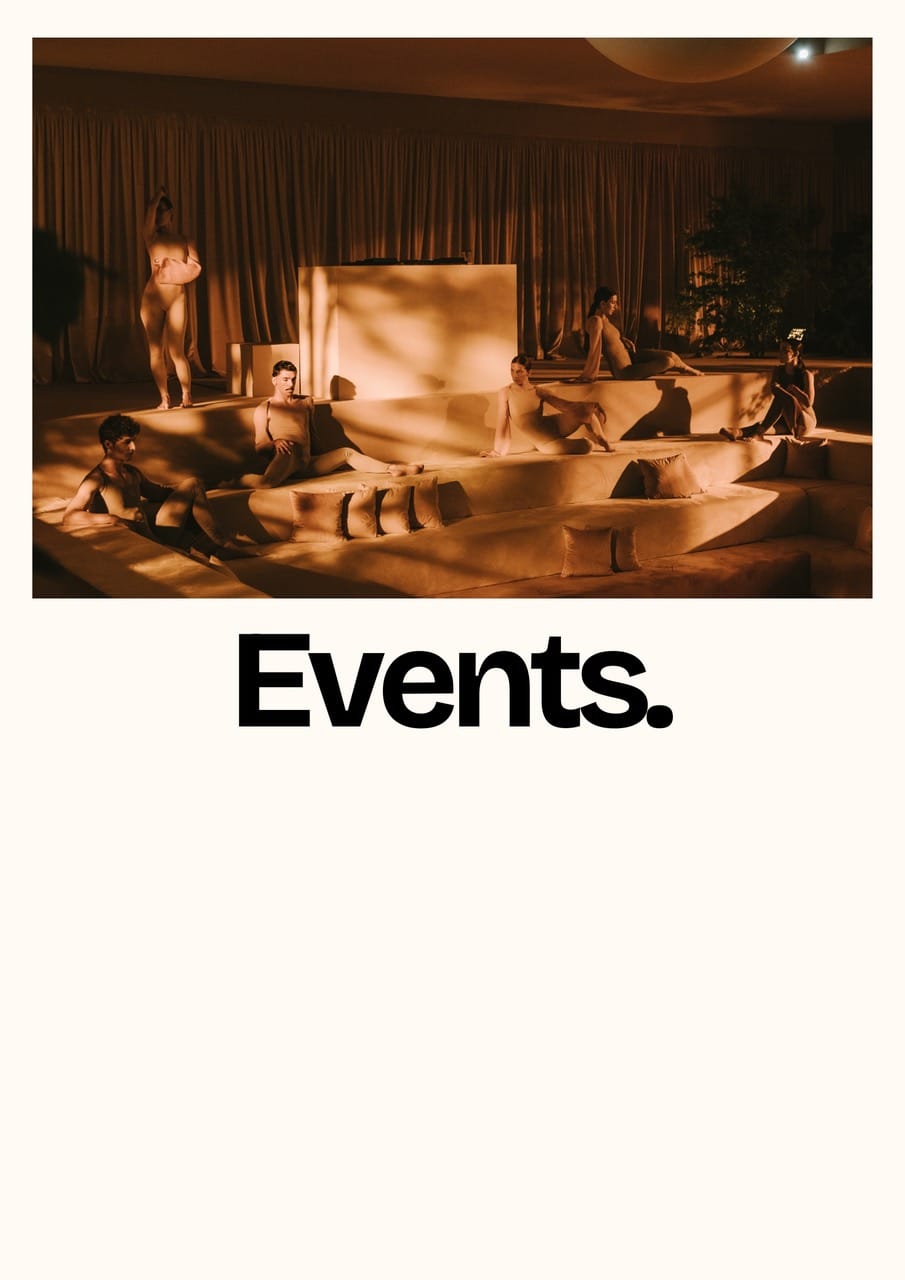
You also take photographs at weddings. Tell me more about @diasdevinoyrosas's team and in what ways wedding photography fulfils you differently from fashion and lifestyle photography?
Días de Vino y Rosas is my baby, a project that is already 16 years old and into which my partners and I have poured so much love, energy, and passion. I truly feel about it the way you feel about a child.
I’m completely in love with wedding photography because I feel it has an enormous historical value. In the end, it’s about documenting the birth of a new family, the beginning of everything, and even today that still gives me goosebumps. Knowing that in 20, 30, 40, or 50 years, families will still be looking at those images in the same way and with the same affection that I used to look at my grandparents’ wedding album, that feeling is indescribable.
I believe wedding photography is something that lasts forever, something meant to be enjoyed over time. It’s very different from fashion, for example, which has a much more “fast‑food” kind of consumption, always needing something new, always in constant change. Of course, there are iconic fashion photographs that stay in our collective memory, but it happens far less often. With weddings, that permanence is much more natural.
Are there any brands or creatives you dream of working with?
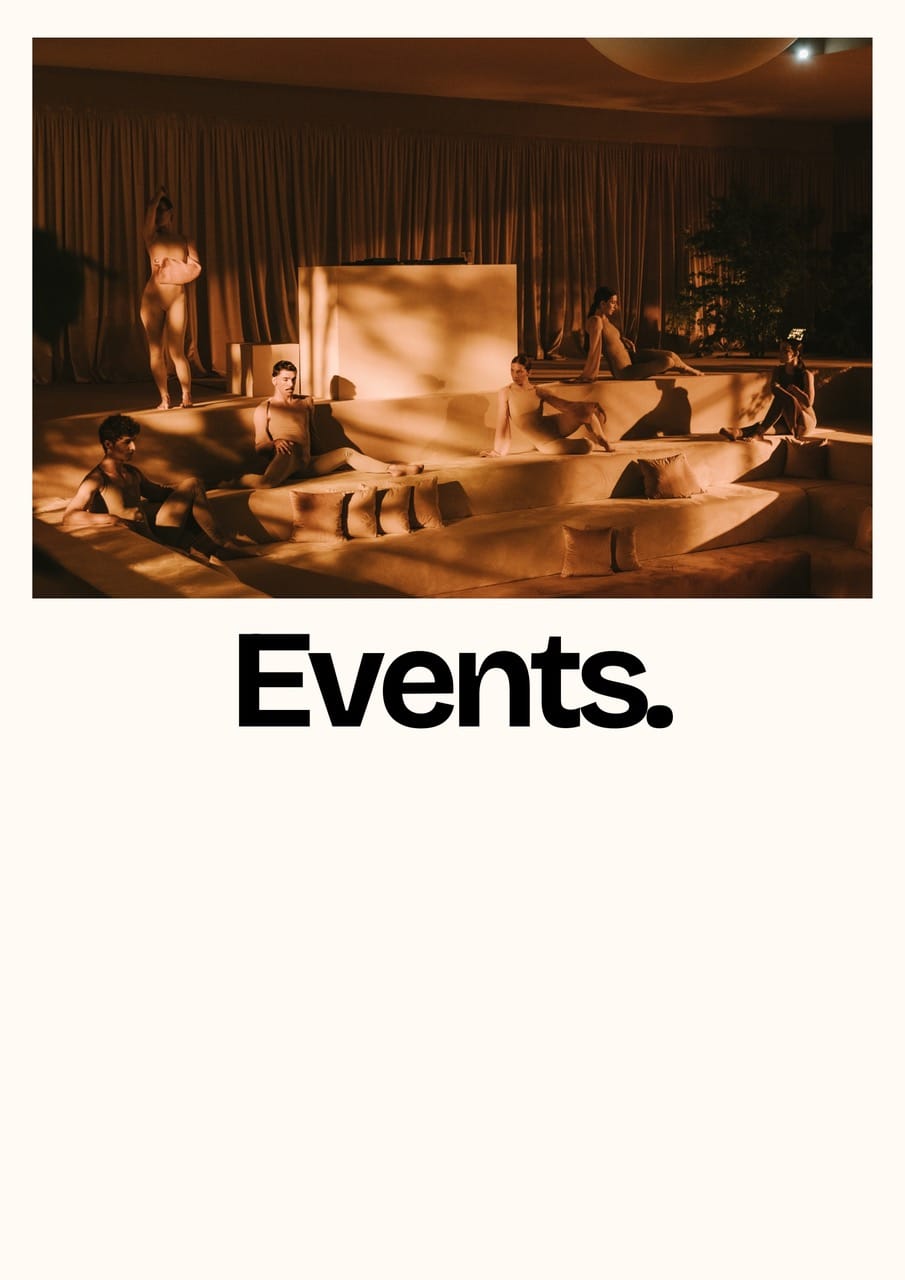
One of my dreams is to sneak into a haute couture runway show and photograph the backstage. I’m a true fashion lover, but fashion brought into real life. Fashion editorials sometimes bore me; everything is so aspirational, so measured, so controlled. What I love is when fashion becomes real: backstage, where models are running around, doing their makeup, getting dressed, the nerves, the chaos, the energy.
There are brands like SIMONE ROCHA, RODARTE, CECILIE BAHNSEN, MOLLY GODDARD, ERDEM, GIAMBATTISTA VALLI, and LOEWE… whose universes I’m completely in love with. I would love to tell my stories with them, to dress real people, to bring that fantasy of design into everyday life, and to capture it visually.
How do platforms like Instagram influence the way you connect with your audience and present your work?
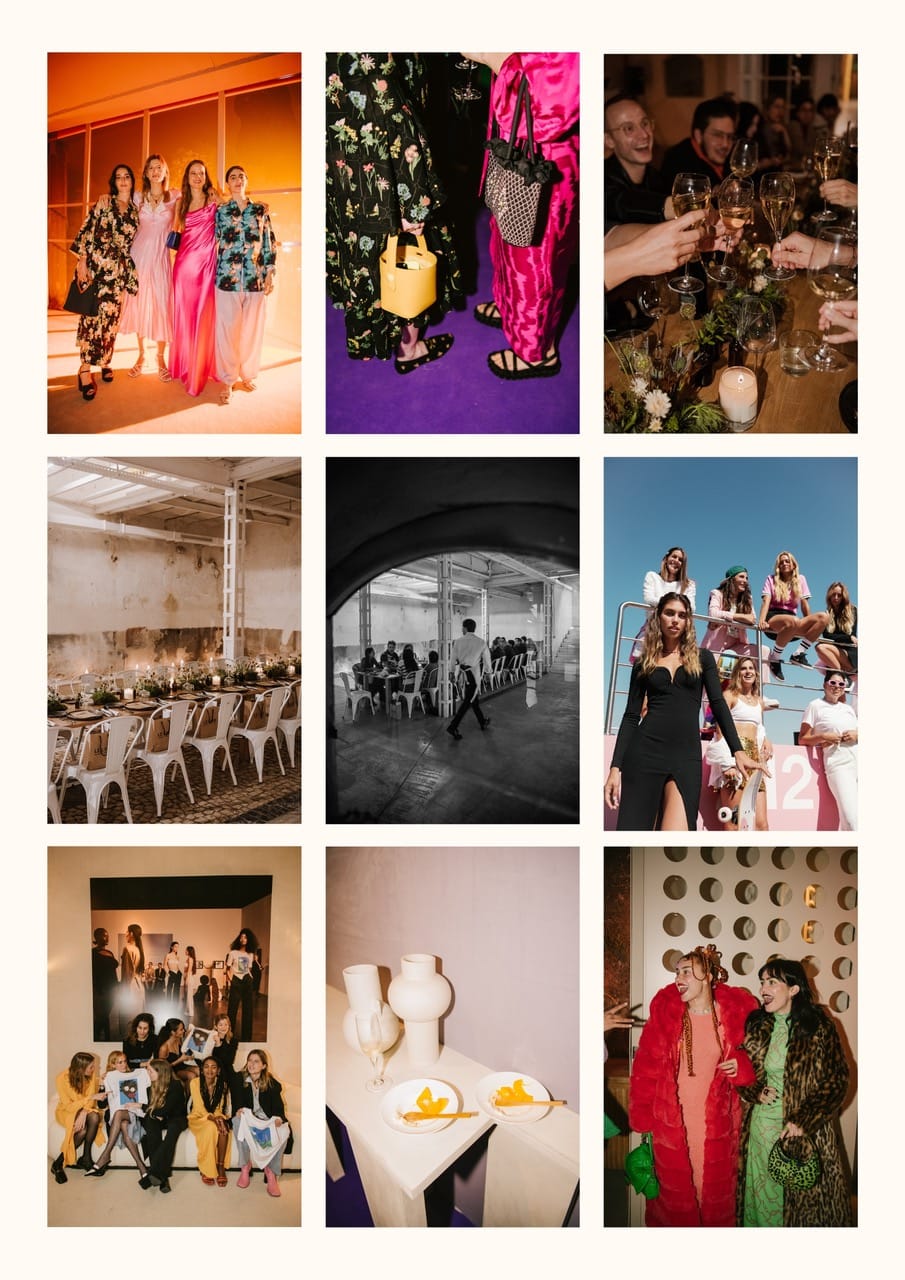
I have to say that on my personal account, @cecilia_ddvyr, I’m quite a mess. I’m not really interested in the audience; it feels more like a diary I keep for myself, something I save for me, but that’s still open to the world. A place to preserve my memories and keep my life in order for the future. On the @diasdevinoyrosas Instagram, though, we treat it much more like a platform. Almost 95% of our clients find us through there. So many people follow us; it’s wild, and it’s incredible how many people we can reach.
When a DM suddenly pops up from the Mulleavy sisters from Rodarte thanking us for the photos of their dress at Stella Banderas’ wedding, it feels like a complete dystopia. Like… are they really writing to me? Honestly, we’re eternally grateful to Instagram because without it (and of course without all the hard work we’ve put in), we wouldn’t be where we are today.
Has being active on social media changed how you approach your craft?
Absolutely! I’m certain that my interest in photography was born in parallel with the “birth” of social media, so in a way, social media has also shaped my work. But I never think about it when I’m creating. In fact, I feel that my kind of photography, which is very chaotic and full of things and details, doesn’t really work well on social platforms. It gains value in larger formats, where all that chaos isn’t squeezed into the tiny space of a phone screen.
But honestly, it’s not something that keeps me up at night. I try not to let algorithms, formats, or likes influence me, because, as I mentioned before, in my personal work I feel a huge sense of freedom. No pressure. I do whatever I want, mainly for myself or for clients who fully understand and want exactly what I do, which is a luxury. I feel very lucky to have that creative freedom most of the time.
What are your goals for the next year, both artistically and professionally?
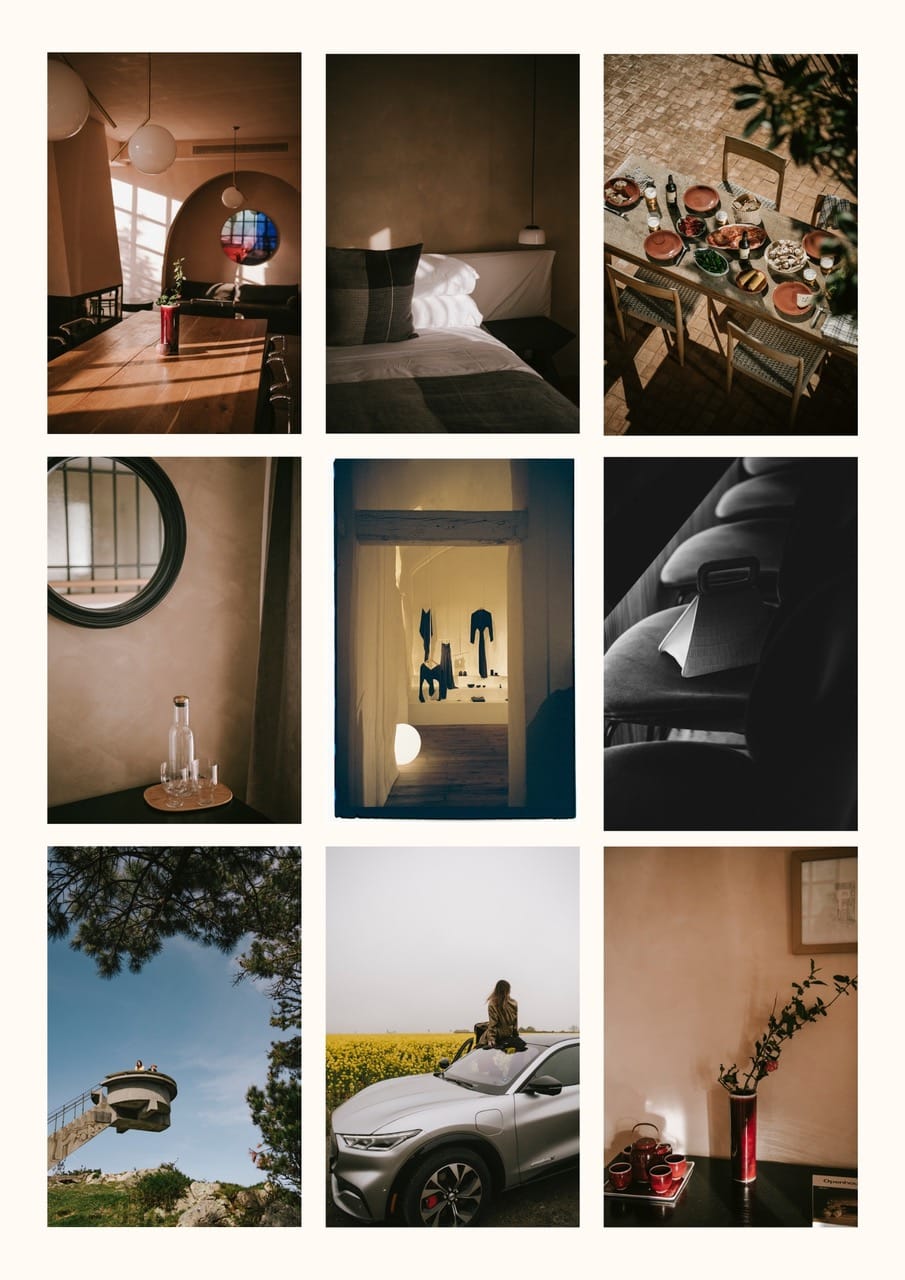
I’ve just bought a house, an old one with so much charm, lots of light, big windows, high ceilings… so I think a big part of my energy this year will go into that project. I’m also really excited to document the whole process (it’s completely destroyed right now), and I know it will be something very special for me to look back on those photos over the years.
Next year will also mark ten years of living in San Sebastián, so I have the project in mind of creating a photo book with some of my analog photographs, a way to gather all the beautiful things this city has given me: good moments, incredible people, and wonderful experiences. It’s something I really want to do. I just hope I can find the time, because once wedding season starts (from May to October), almost everything else comes to a halt. But honestly, I don’t usually put too much pressure on myself with personal projects. If they happen naturally, perfect. And if not, I don’t beat myself up about it.
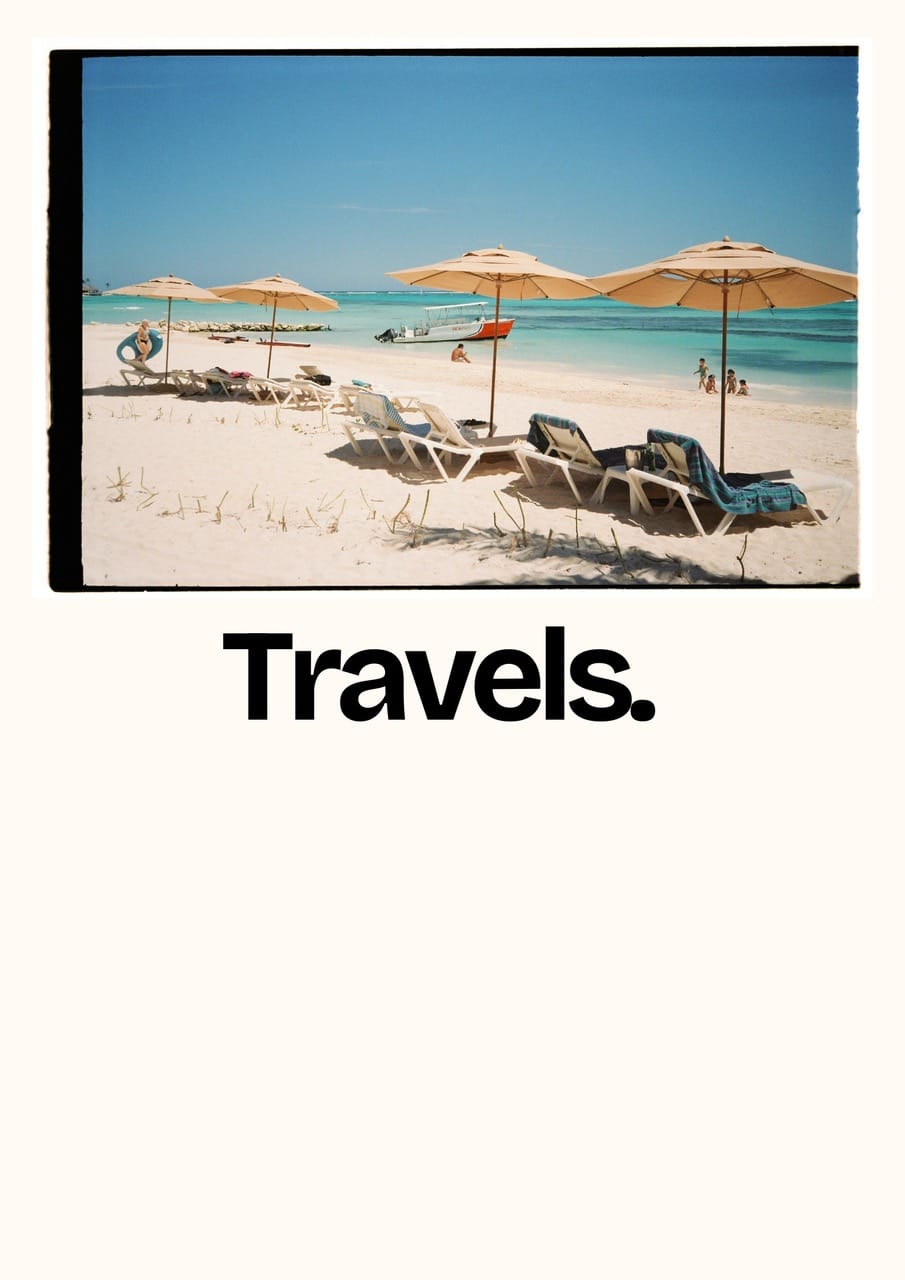
I have many weddings in Italy, so I’ll probably be spending a lot of time there this year, which I’m really looking forward to. I also have a few trips in mind, and, of course, I want to keep telling many stories. I’m very excited for 2026, my year of turning 40, hahaha. It feels like a real milestone.
What advice would you offer your younger self?
I know it sounds like a cliché, but everything arrives when it’s meant to. Don’t rush. When we’re young, we tend to believe life is a straight line, but it’s nothing like that. There are curves, bumps, going back to square one, dead ends… And yet, little by little, you find your way. And if you work hard and stay committed, you can end up in truly wonderful places.
Don’t lose hope. I know it’s challenging, especially with how things are right now. But honestly, it does really get better.


