


Aga Strauss and I haven't met in real life, even if I've had several opportunities to meet her in person at some of her exhibitions. Each time, something happened and, somehow, I never quite managed to meet her or experience her work in person.
But as I have "an eye" for amazing women and this flex for discovering exceptional stories, often before I even know the story behind them, I proposed to Aga (sanarteconaga) that we have this conversation for my website.
Editing this interview, witnessing not only her extraordinary work but also her feelings, emotions, and struggles made me feel humble and incredibly grateful for the opportunity to get to know her, both as a woman and as an artist.
Aga, my dear, I sincerely hope we’ll finally have the chance to meet face-to-face, and that I’ll be able to tell you just how much I admire you.
*The original interview was conducted in Spanish. I translated it into English, keeping Aga’s voice, personality and authenticity at the heart of the translation.
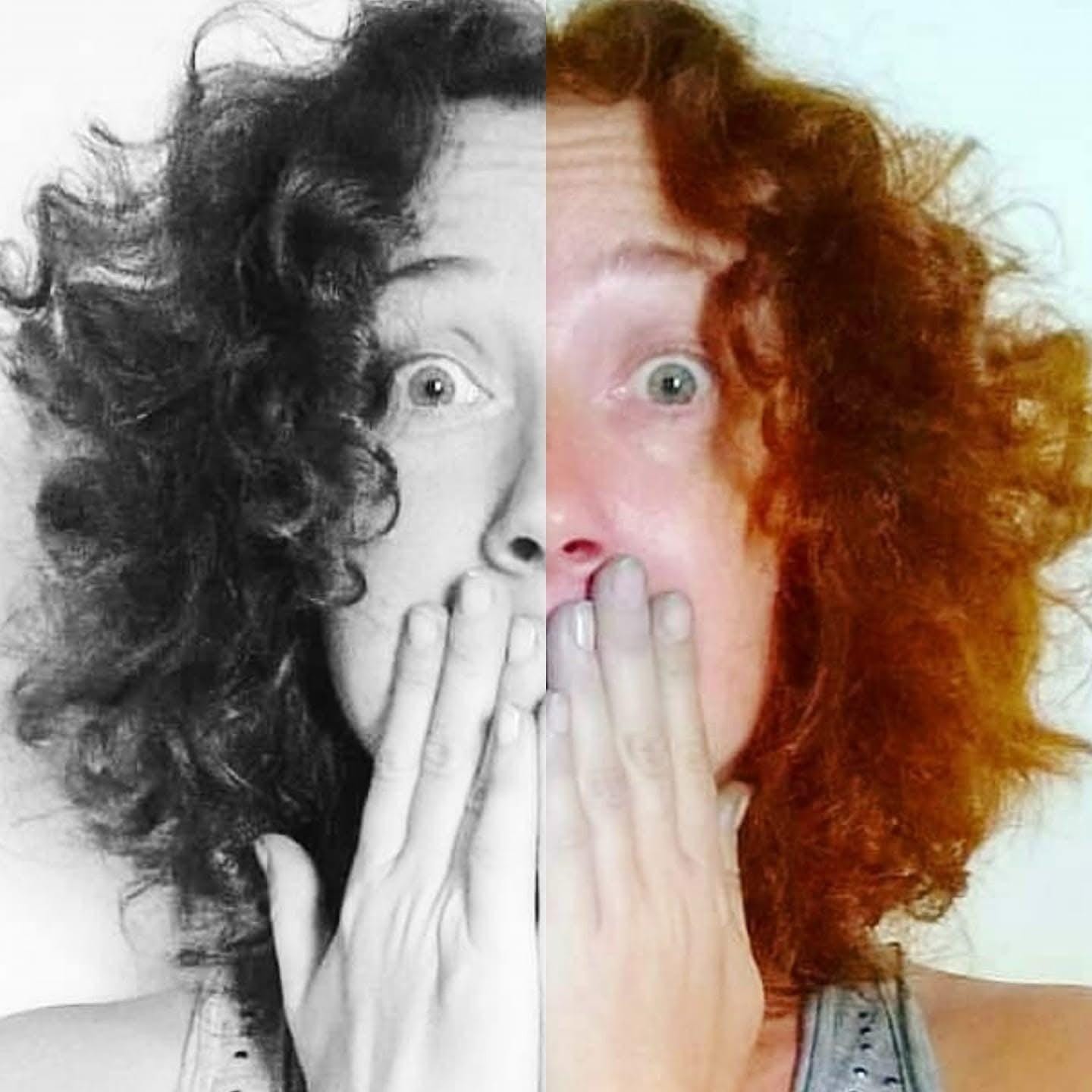
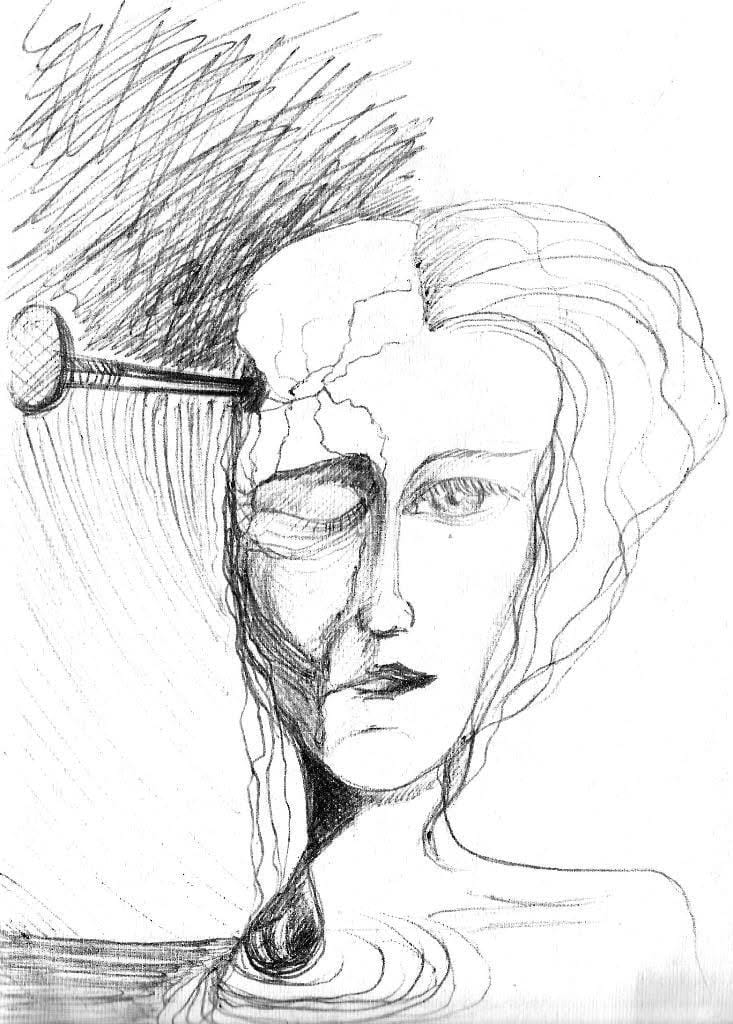
Aga, I want to start with something very personal. In your introduction, you say, "I'm an artist with migraines that never go away.” How has living with pain influenced the way you see the world and, above all, the way you create?
It’s a difficult question to answer… Living with migraines means being grateful for the moments when they are not there, while constantly fearing that they will return. So I have to use those pain-free moments to express everything I carry inside me.
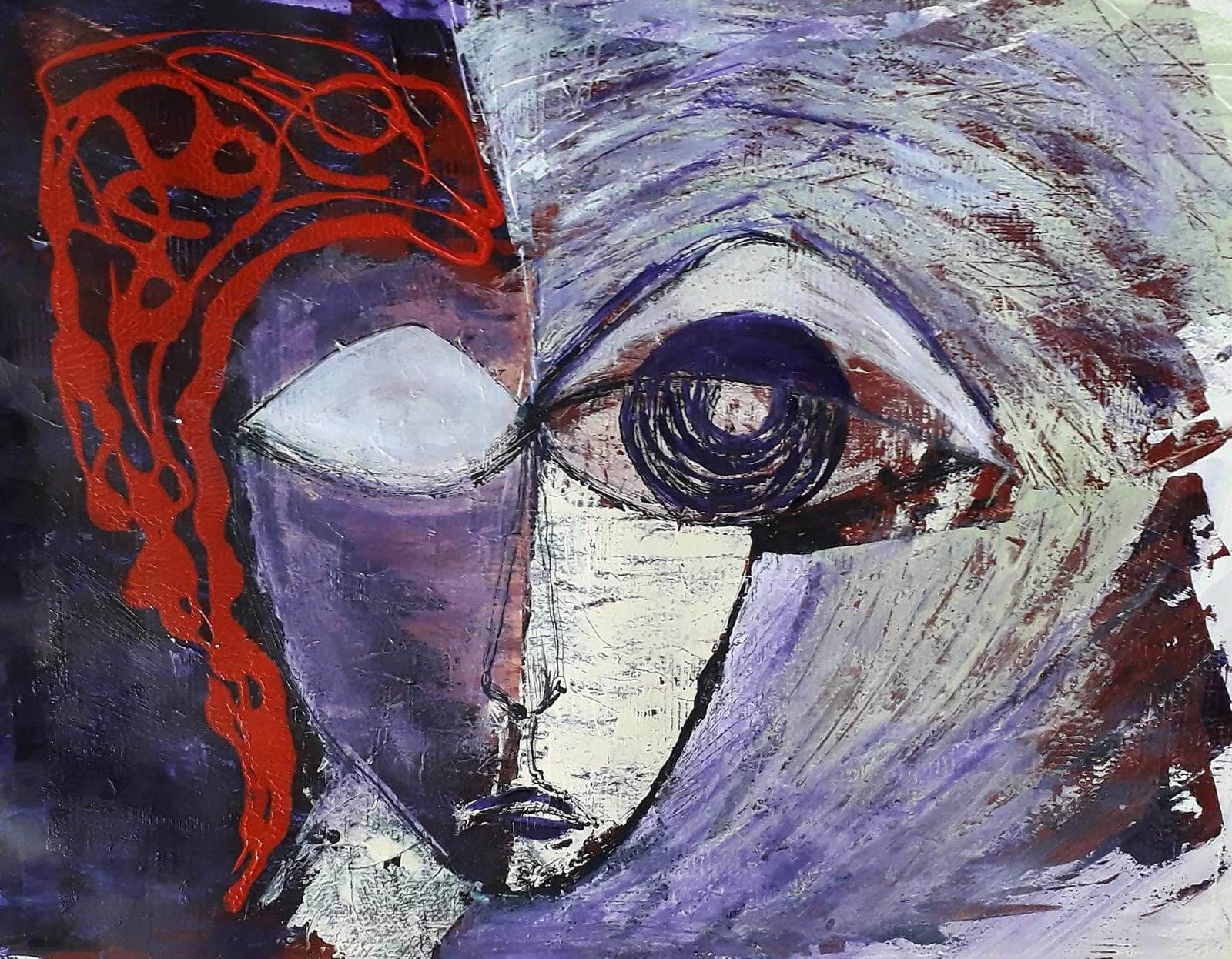
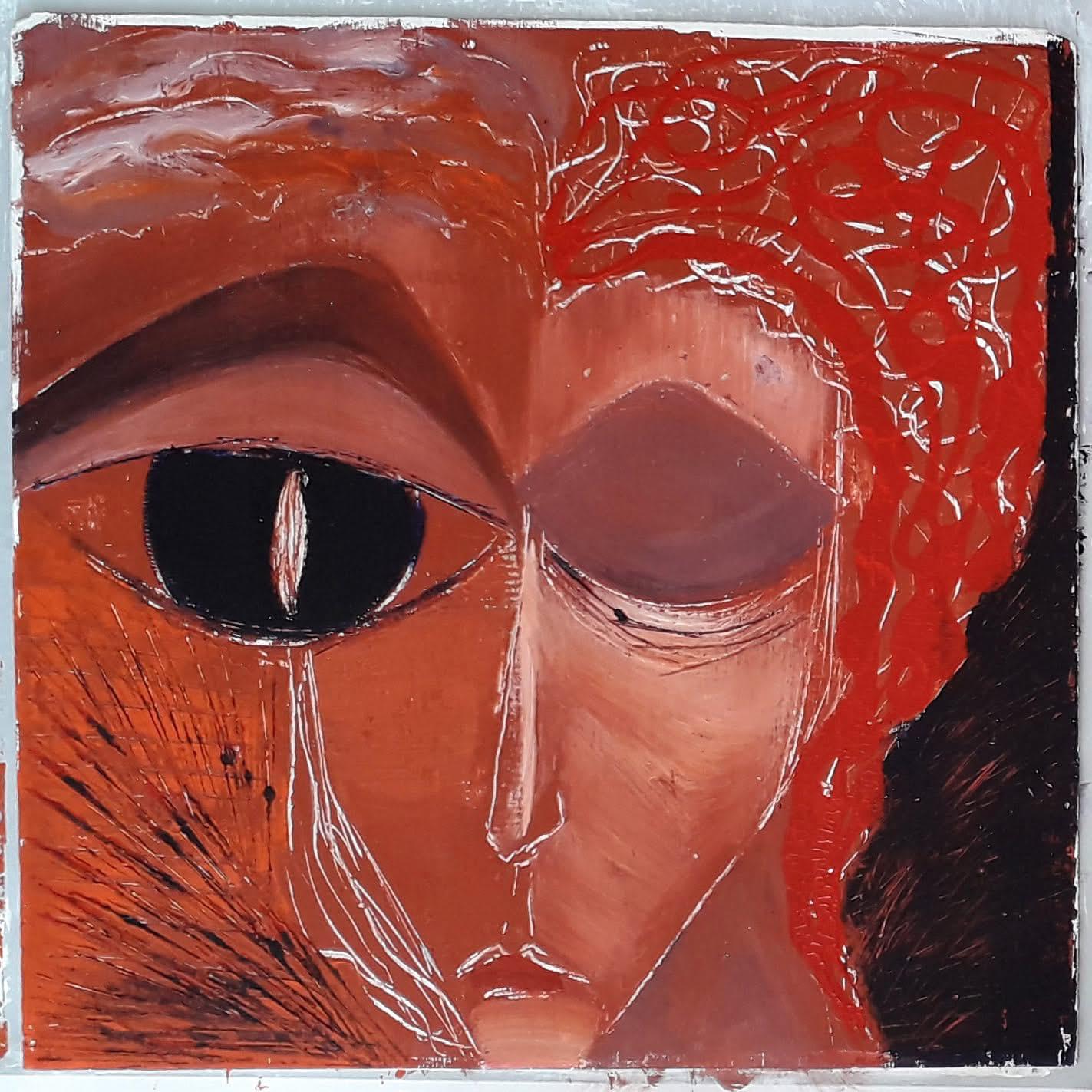
migraines
Your AndaLUZya project comes from a very deep process of introspection but also from a form of therapeutic expression. When did you realise that painting had stopped being simply a way of creating and had also become a way of understanding yourself?
Art has been part of my life for as long as I can remember, and when I became an adult and moved to Spain, it became my way of self-therapy. At first, it helped me express the feeling of nostalgia, missing my family and my country of origin, as well as the loss of my mother, who was ill and passed away too soon. Later, it became a way of healing my inner pain.
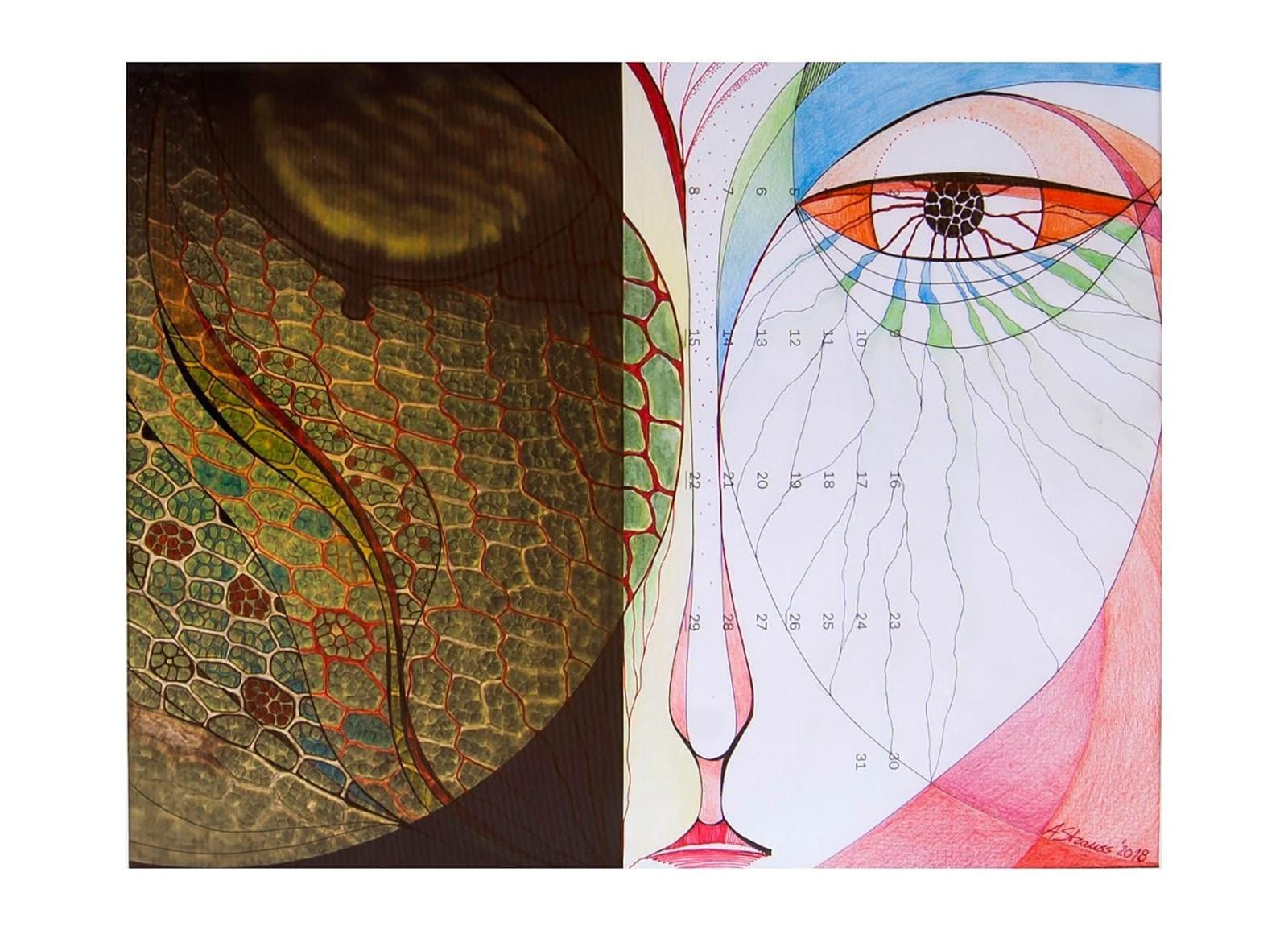
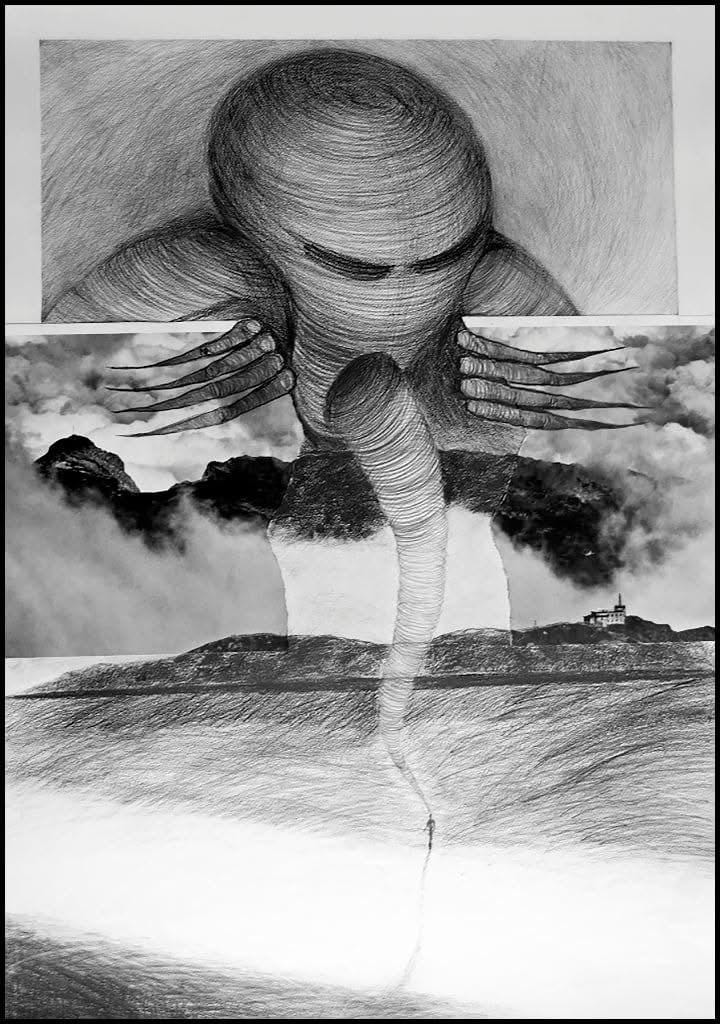
You speak about insomnia, pain, intuition and a journey inward. What appears in your work when the outside world falls silent?
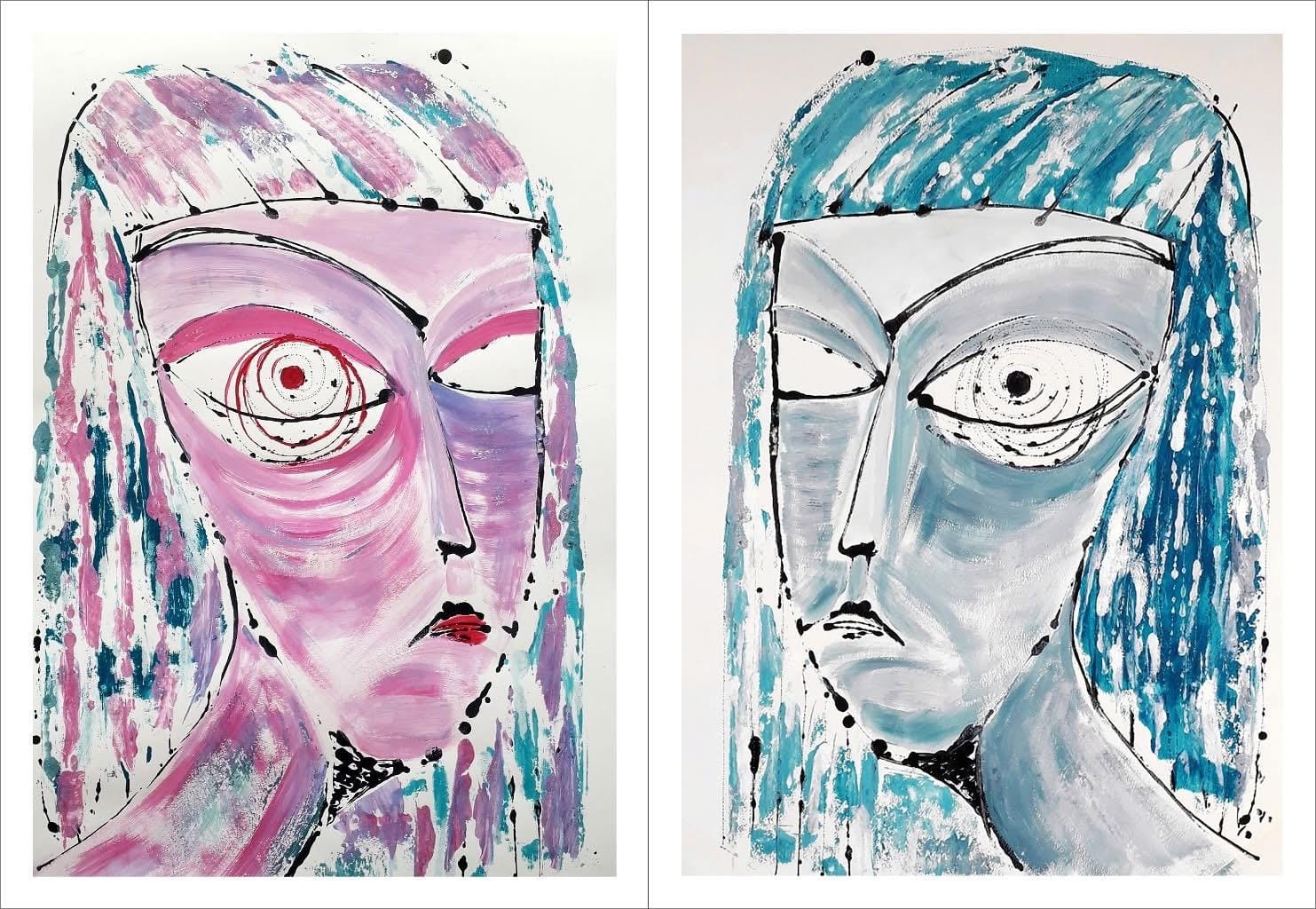
All these emotions can be seen in my first collection of paintings, Colours of Emotions: melancholy and sadness, anger and rage, fear, longing and loneliness…
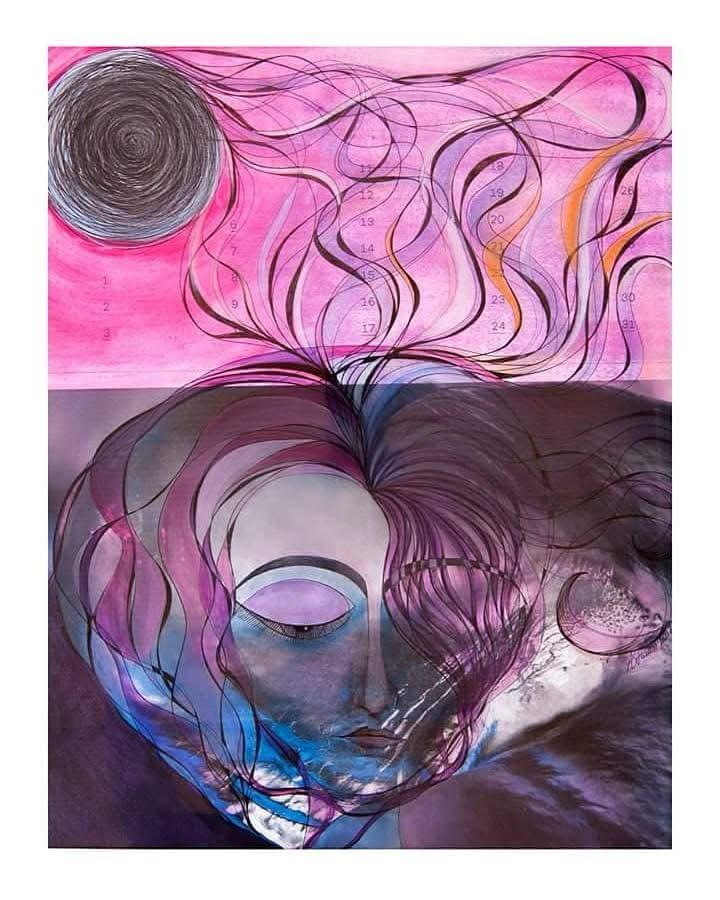
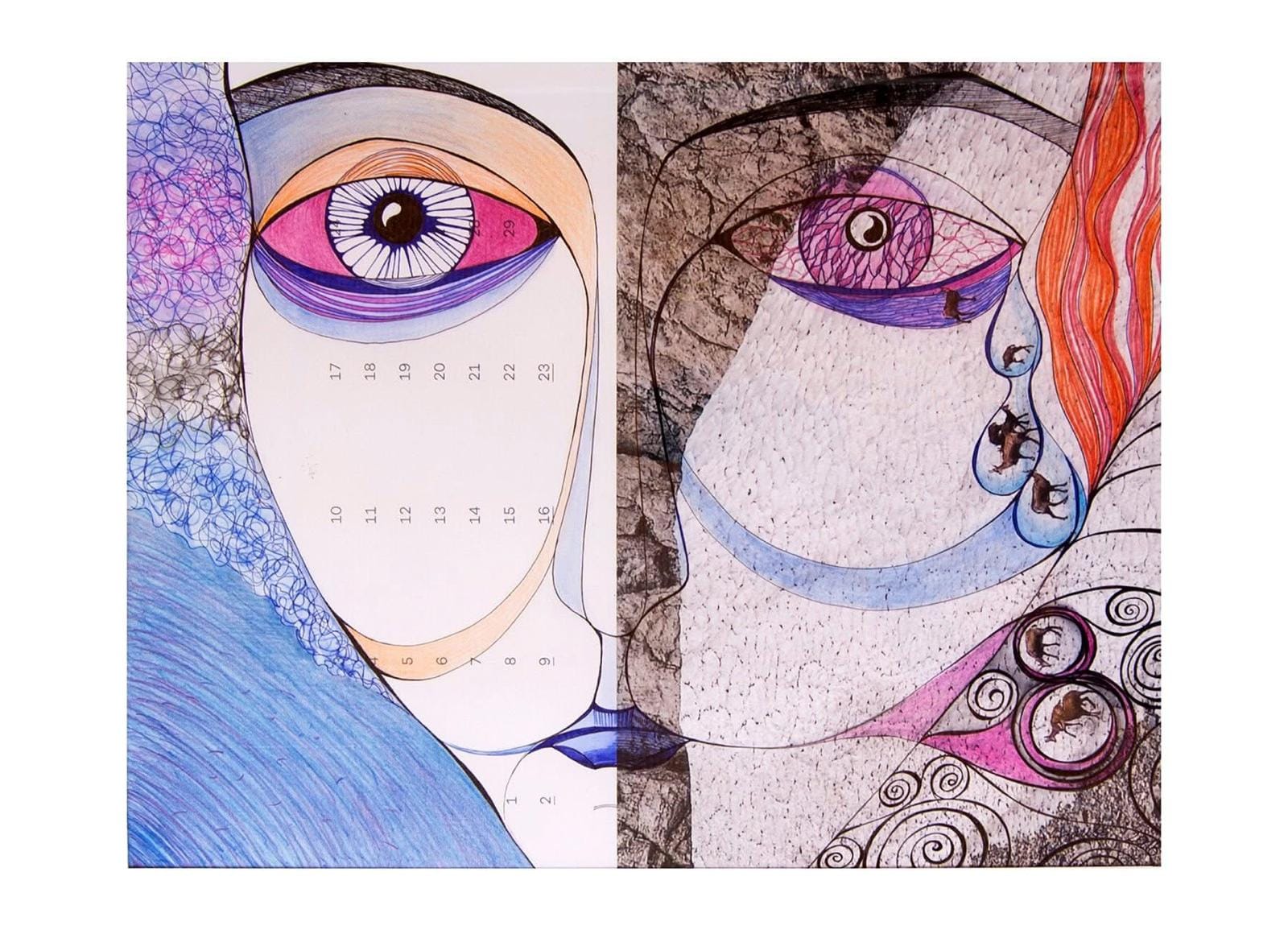
Insomnia
You studied Industrial Design and Jewellery Design at the Academy of Fine Arts in Łódź, graduating with distinction. You then spent years working in furniture, jewellery and interior design. What fascinates you most about this complex life as an artist?
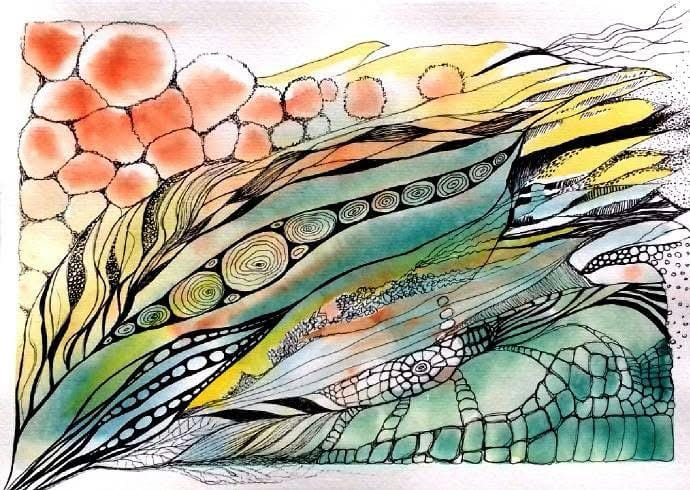
Studying Fine Arts gave me a wide range of opportunities to express myself artistically, from creating in 2D, drawing and painting, to working in 3D, with objects, jewellery or furniture, and also furnishing and decorating larger spaces. What fascinates me most is being able to work on such a wide variety of projects and at such different scales.
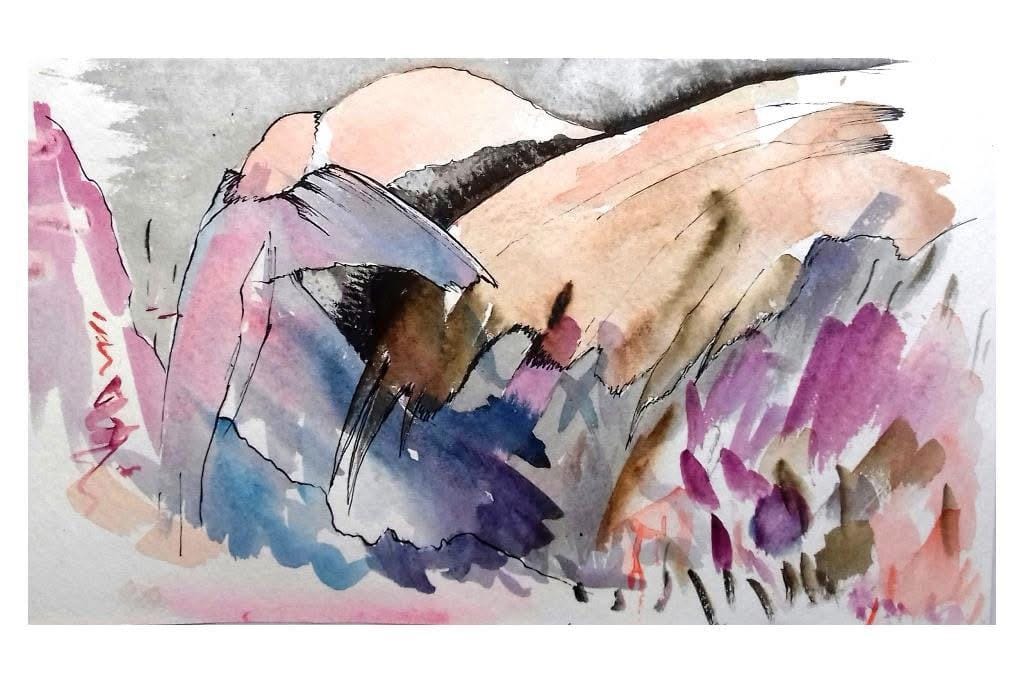
In 2006, you left Poland with your family and began a new life in Andalucía. What were you looking for then, and what did you discover here that perhaps you didn’t know you needed?
20 years ago, when we were still young, we were looking for new challenges in a new place, surrounded by new energy. Coming from central Poland, where the coast and mountains were far away, we found ourselves in a place where all of that was now within reach. When we moved here, we never felt like outsiders, because we live surrounded by foreigners as well as Spaniards and locals who have become just as familiar to us.
Do you think living in Andalucía has changed the way you see the world? Not only because of the light, the landscape or the colours, but also in the way you feel and live?
The light, the landscape and the colours have had the greatest impact on how I perceive my world and my reality. So has my contact and connection with other people. After stepping outside my comfort zone, I dared to show and share my art with others. Recognising the therapeutic power of art, I started my educational project, ARTE con AGA, offering art classes for both children and adults.
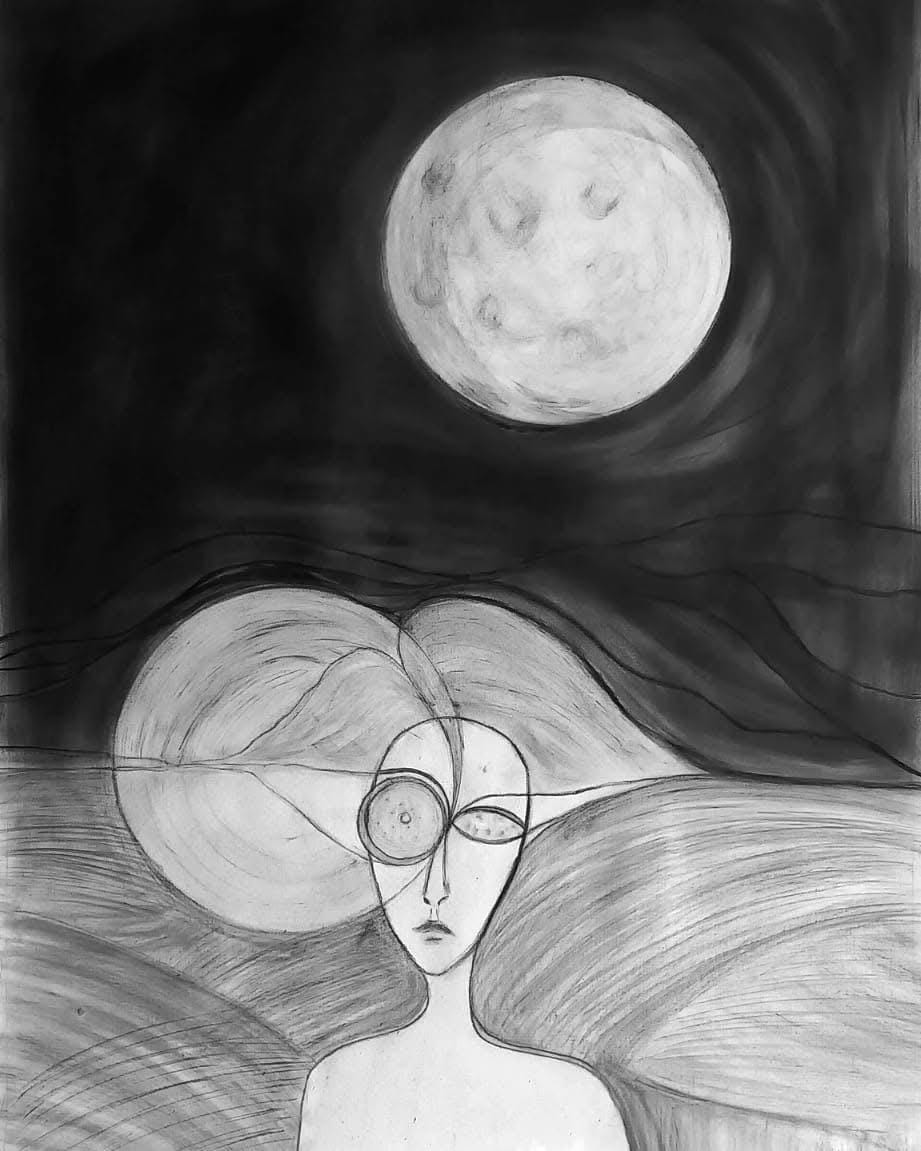
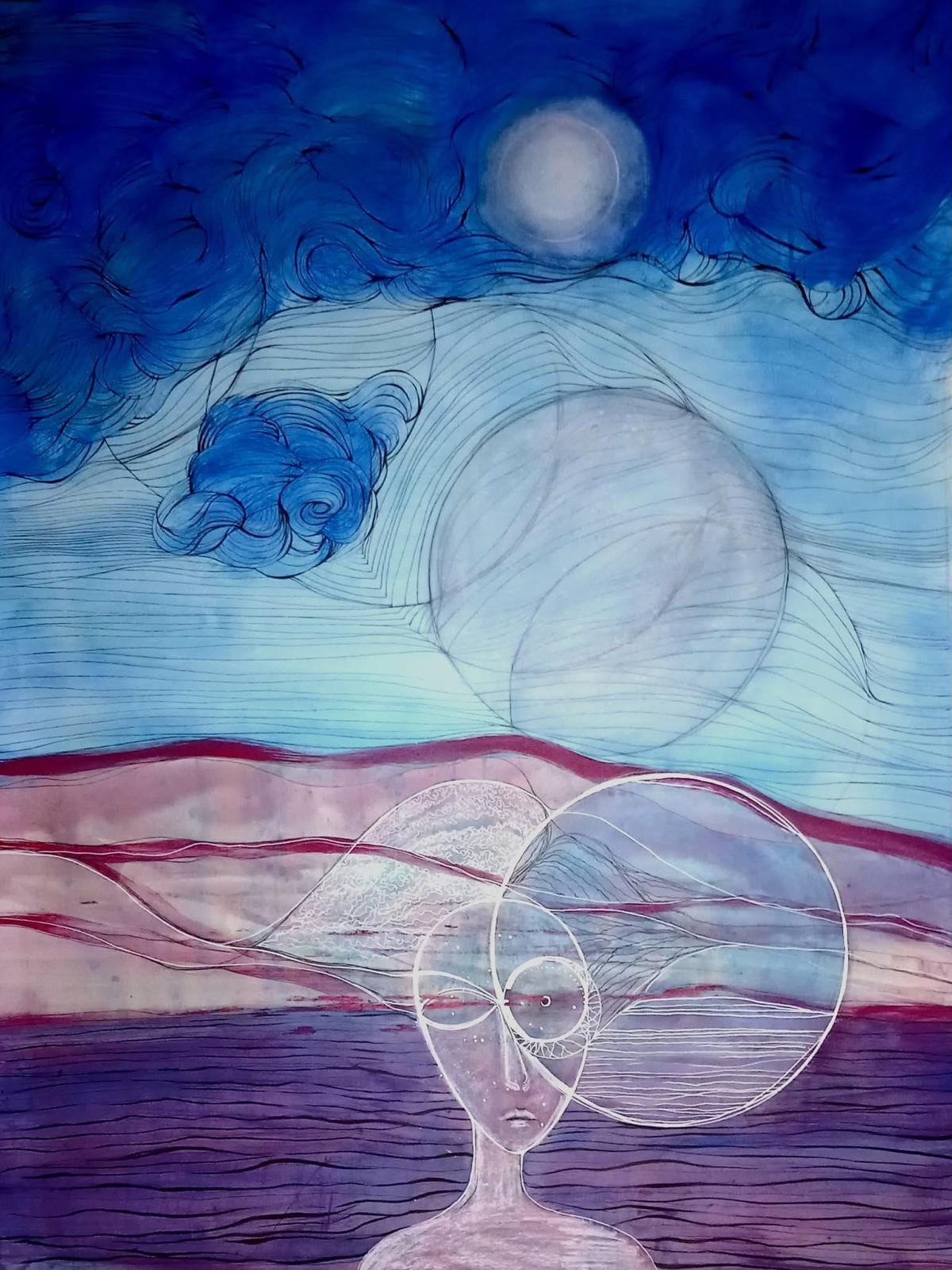
Lunaticas
Your life brings together many different things: designer, artist, mother, teacher, interior designer… Have you ever felt that you had to choose one identity to move forward?
I feel that I identify with all of them, so I could never choose just one. But at different stages of my life, one of them has naturally taken centre stage. Right after graduating in Industrial Design, I focused on being a designer. Then came motherhood and I devoted myself to being a mother 24 hours a day. And when I moved to Spain, to the Costa del Sol, I returned to painting and began sharing my knowledge of art with others. But now I am at a point in my life where I don’t have to choose.
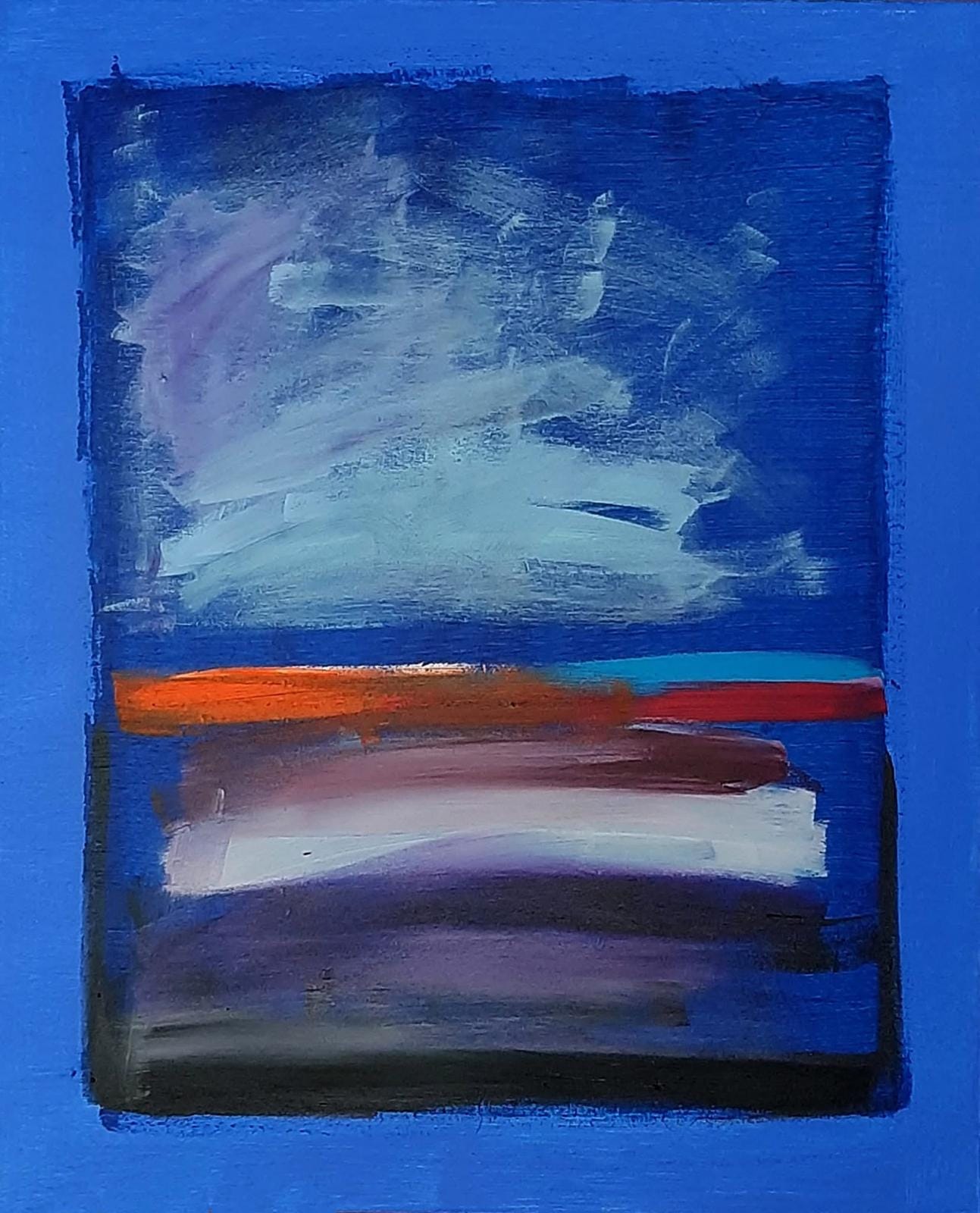
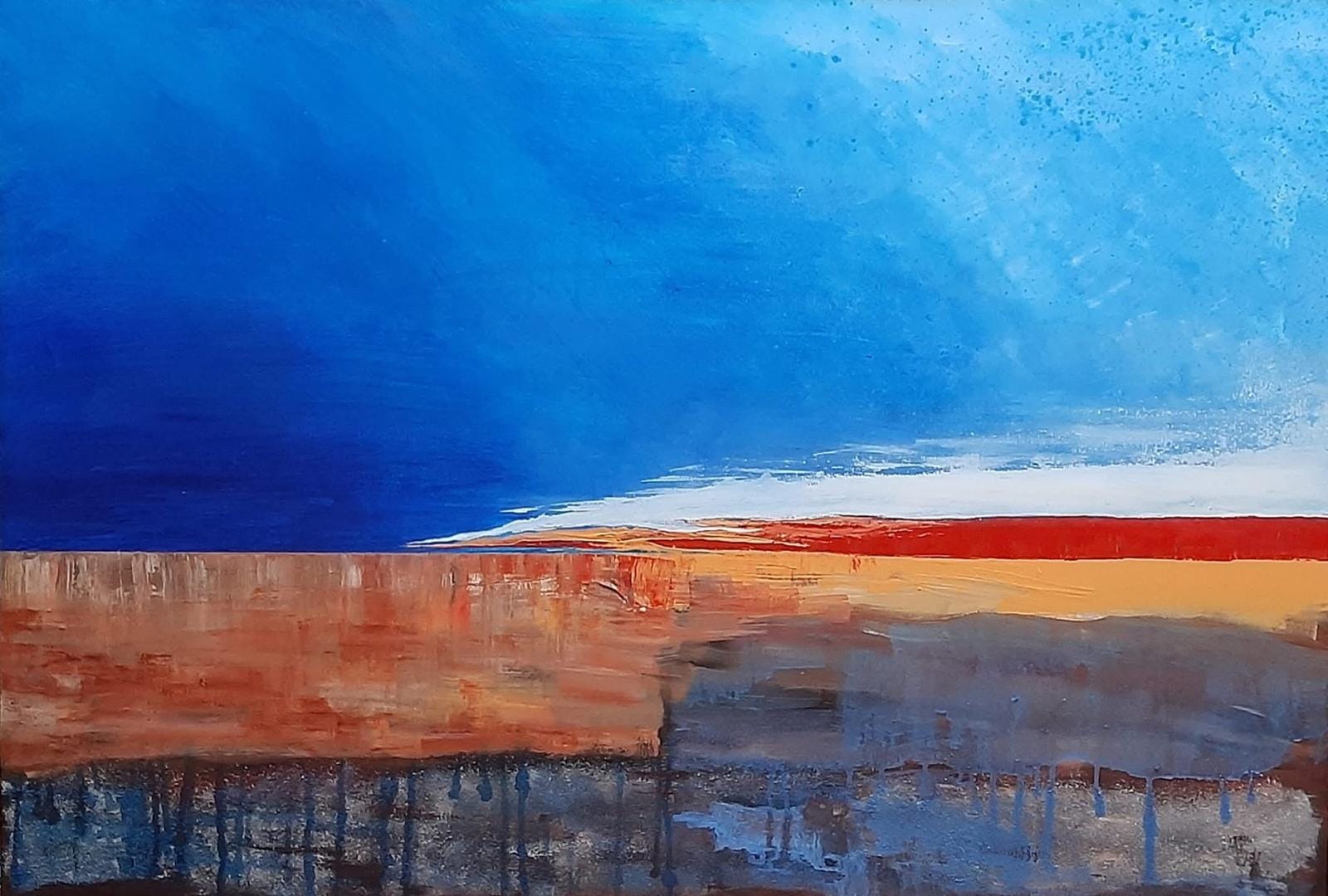
You are also a painting and drawing teacher. How does it feel to be in that role? What does creating yourself and teaching others to create bring to your life? And after working with so many students, what do they most often tell you or express when they see what they have managed to create?
Working with other people is a source of inspiration for me. Watching my students go through their creative process with my guidance gives me energy and fills me with new ideas for my own art. Most of the people I have worked with thank me for the sense of relief they experience by being able to express themselves during the creative process in my classes. Because what matters most is your process, not the result.
Your work seems to exist somewhere between what we see and what we feel. When someone first enters AndaLUZya, what do you want them to feel before they try to understand your images?
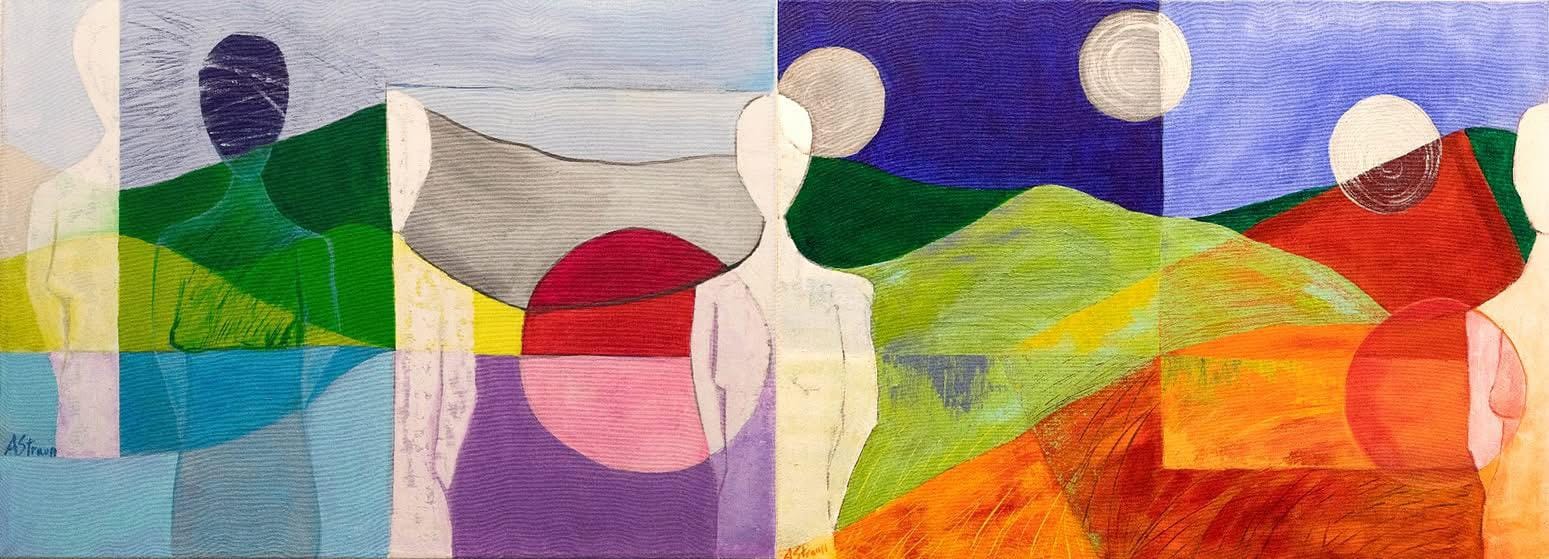
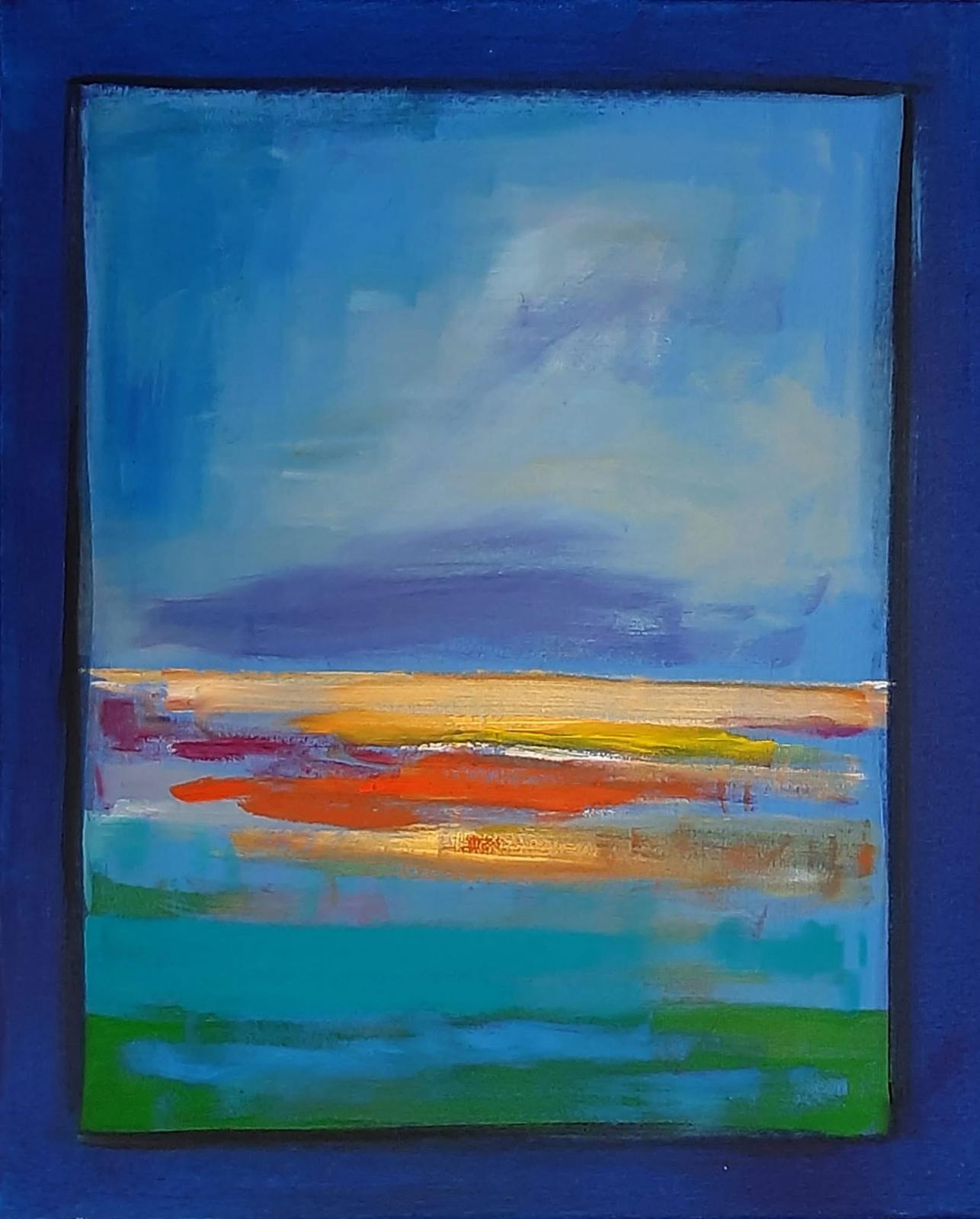
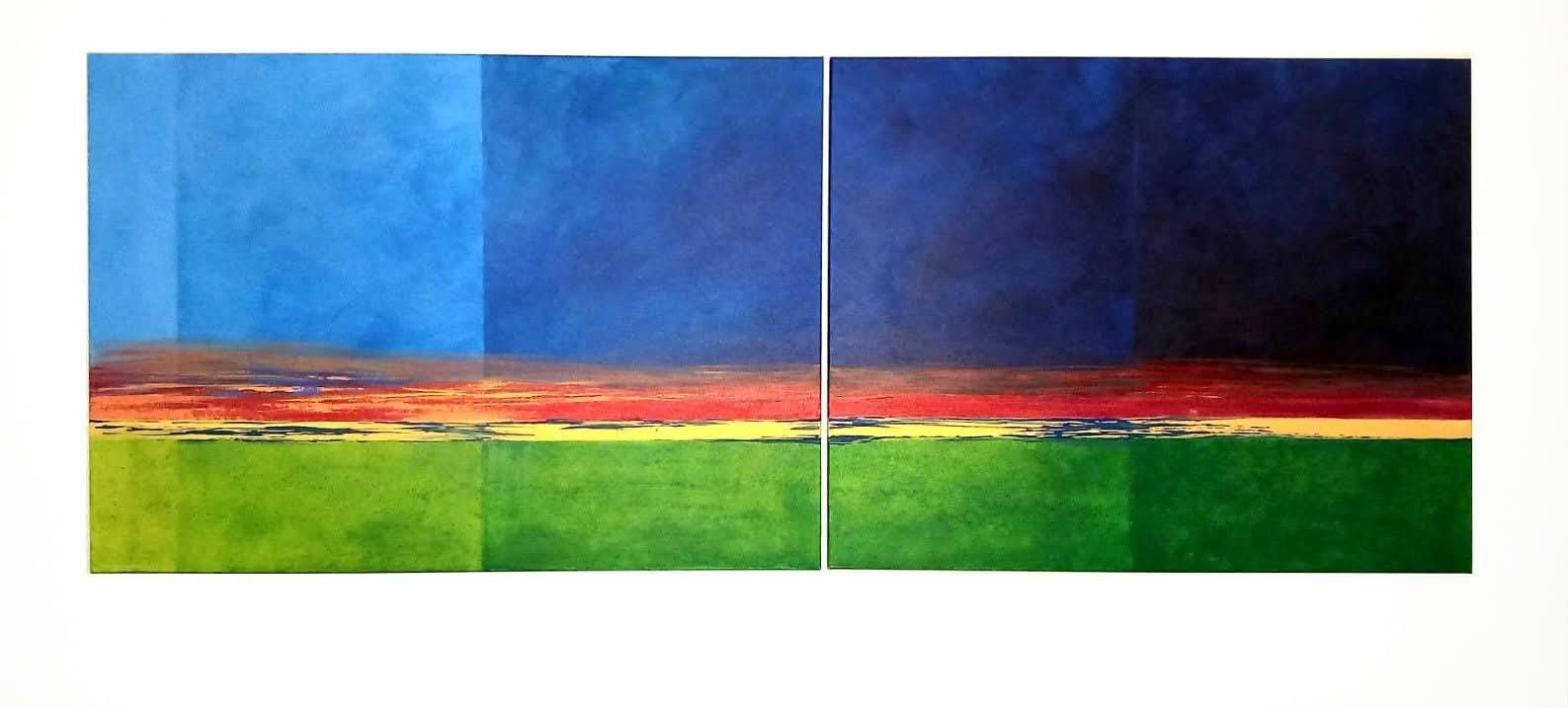
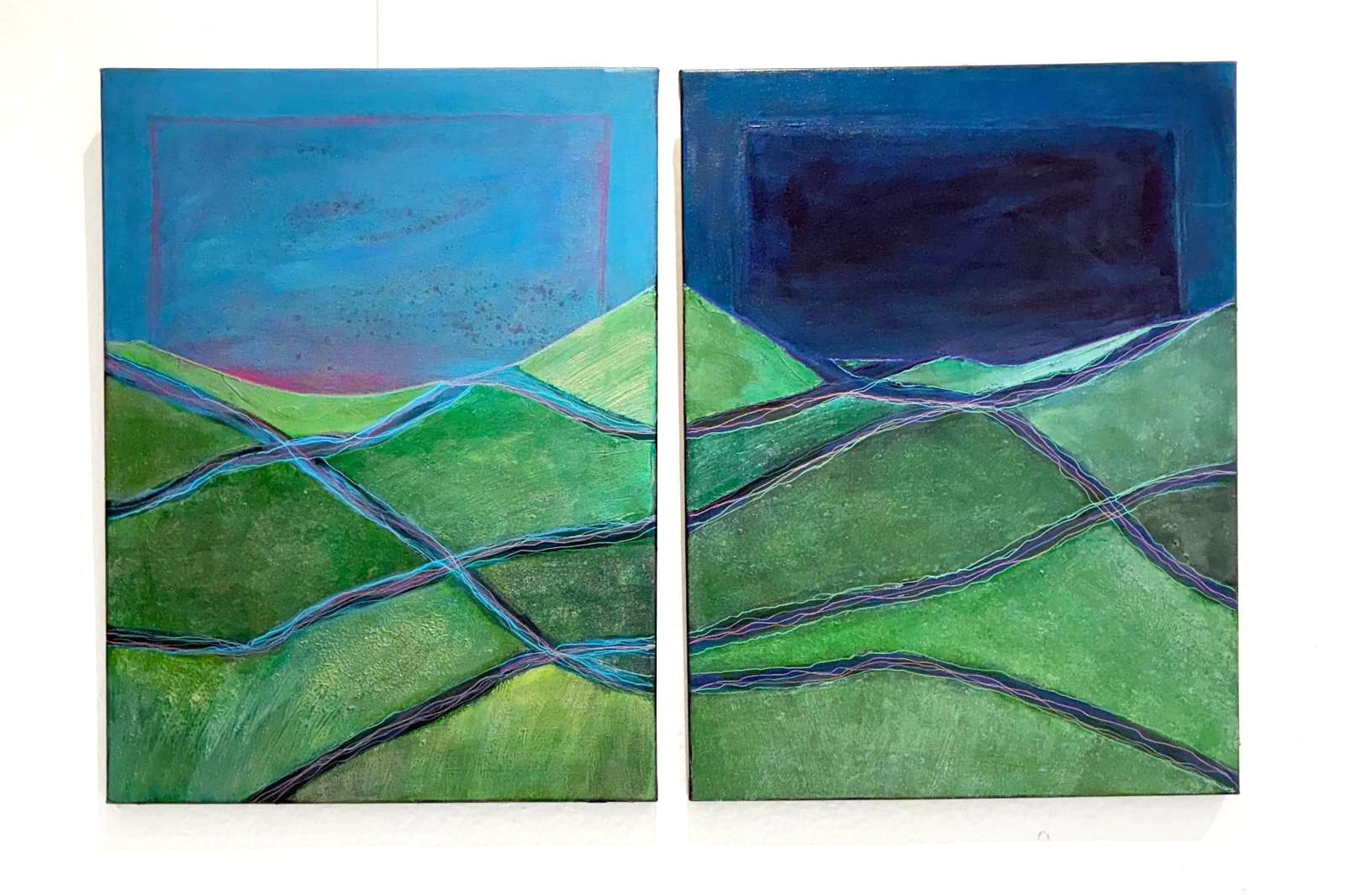
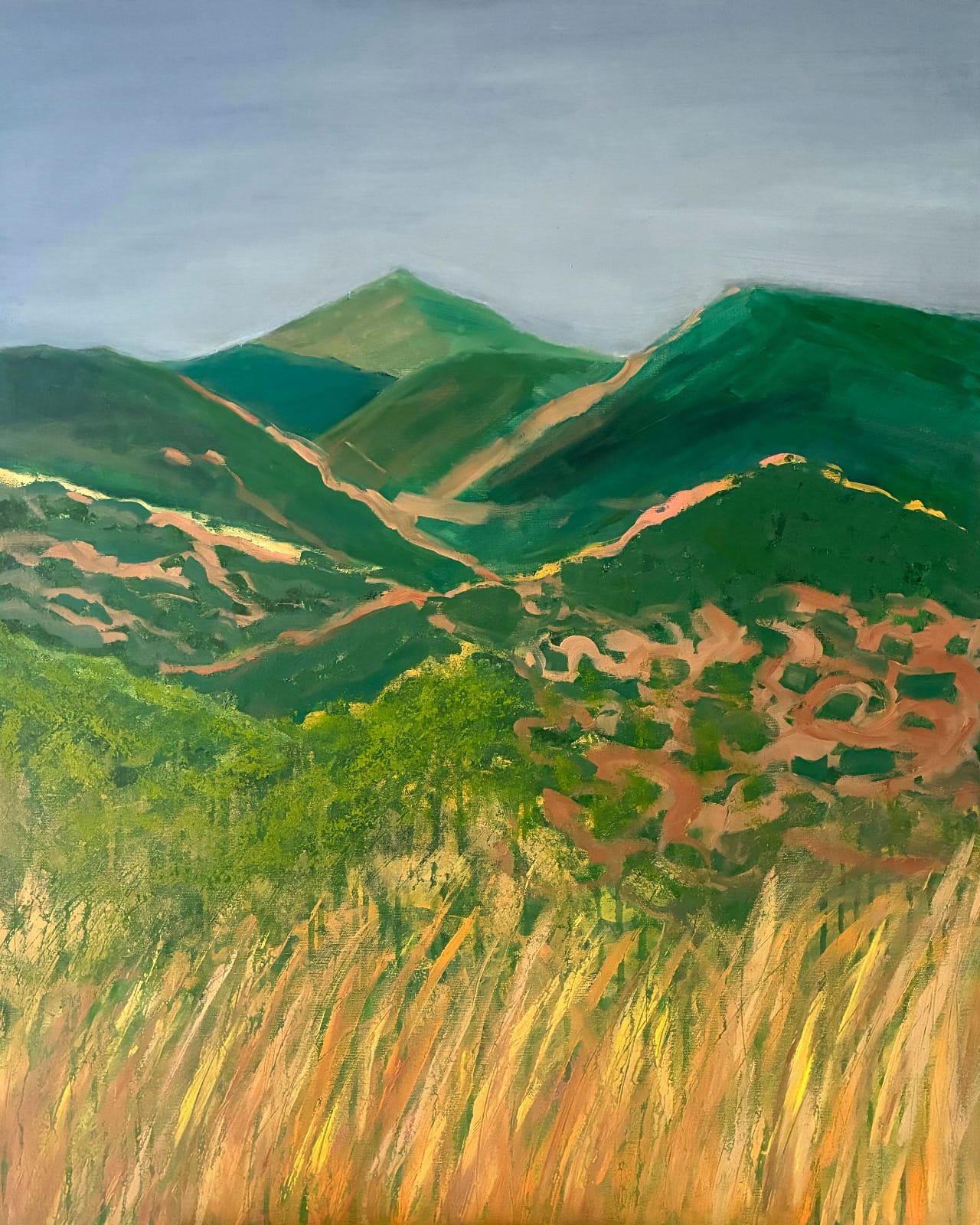
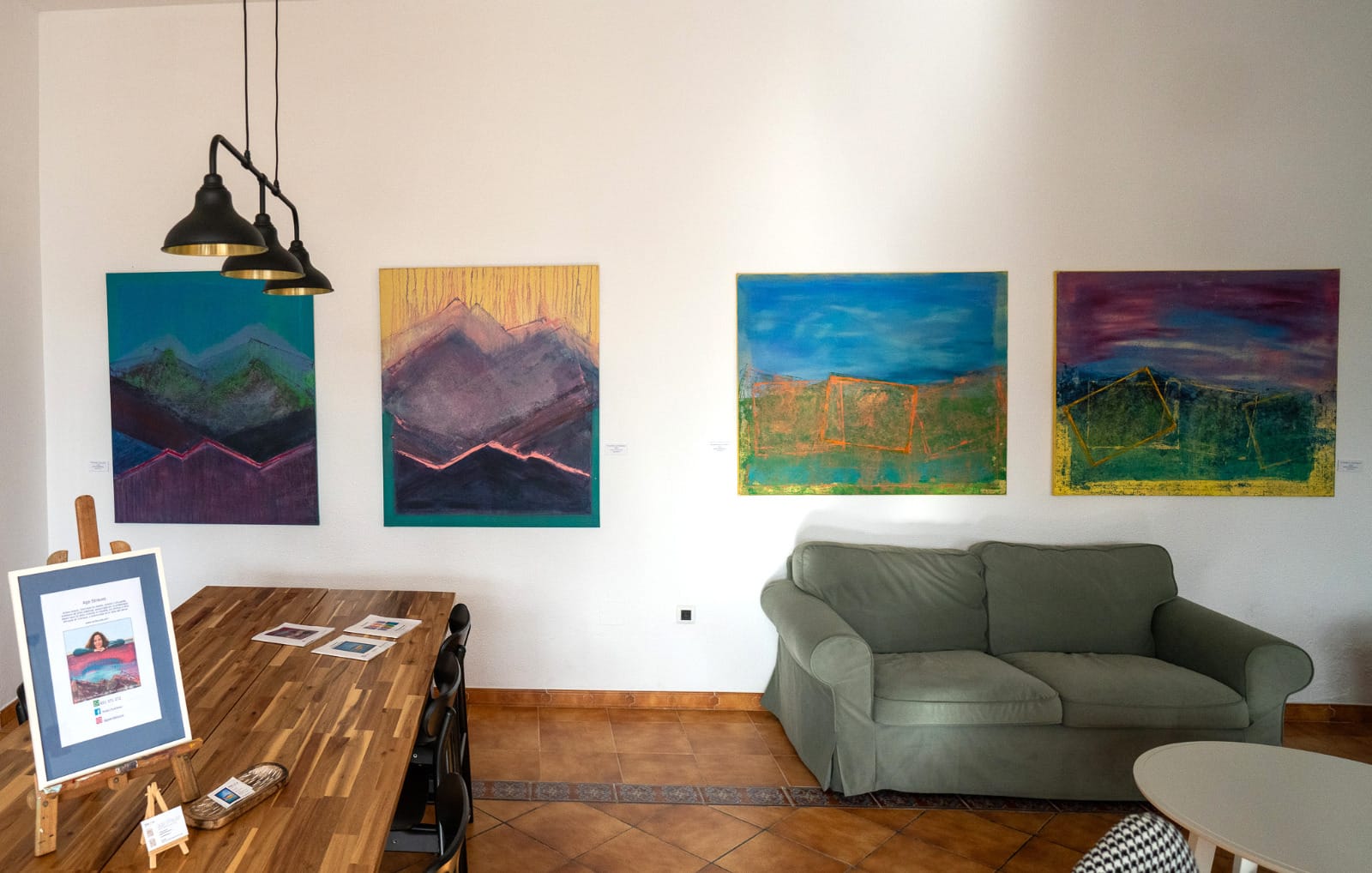
I would like them to feel interest and curiosity about everything that lies behind the colours, textures and brushstrokes of my paintings. In my Anda_paisajes series, created between 2021 and 2023, I was searching for inner peace through the coastal horizon. In my 2024–2026 period, which can be seen in my latest exhibition, Changes on the Horizon, you can see how my perception has changed, as I am now in a completely different environment, the mountains of the Genal Valley.
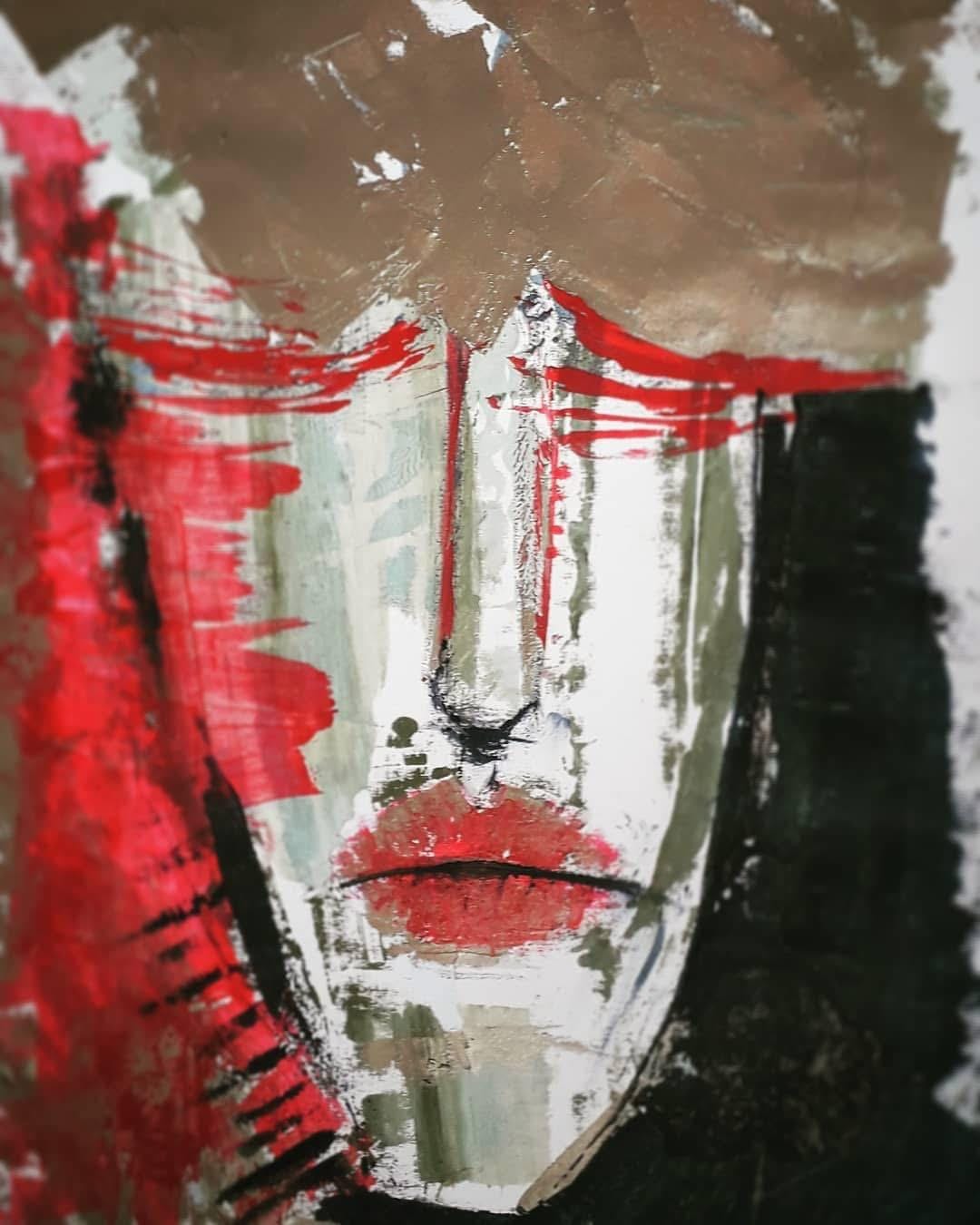
Pain
Is there anything you would never paint? Or when you work intuitively, do you prefer not to put any limits on what might emerge?
I would never paint something that doesn’t come from what I feel. That is why I don’t paint commissioned works. If I create a painting that speaks to someone and they want to own it, that makes me very happy. Sometimes the subject of a painting appears in my dreams, but then the painting evolves according to what I am feeling in that particular moment.
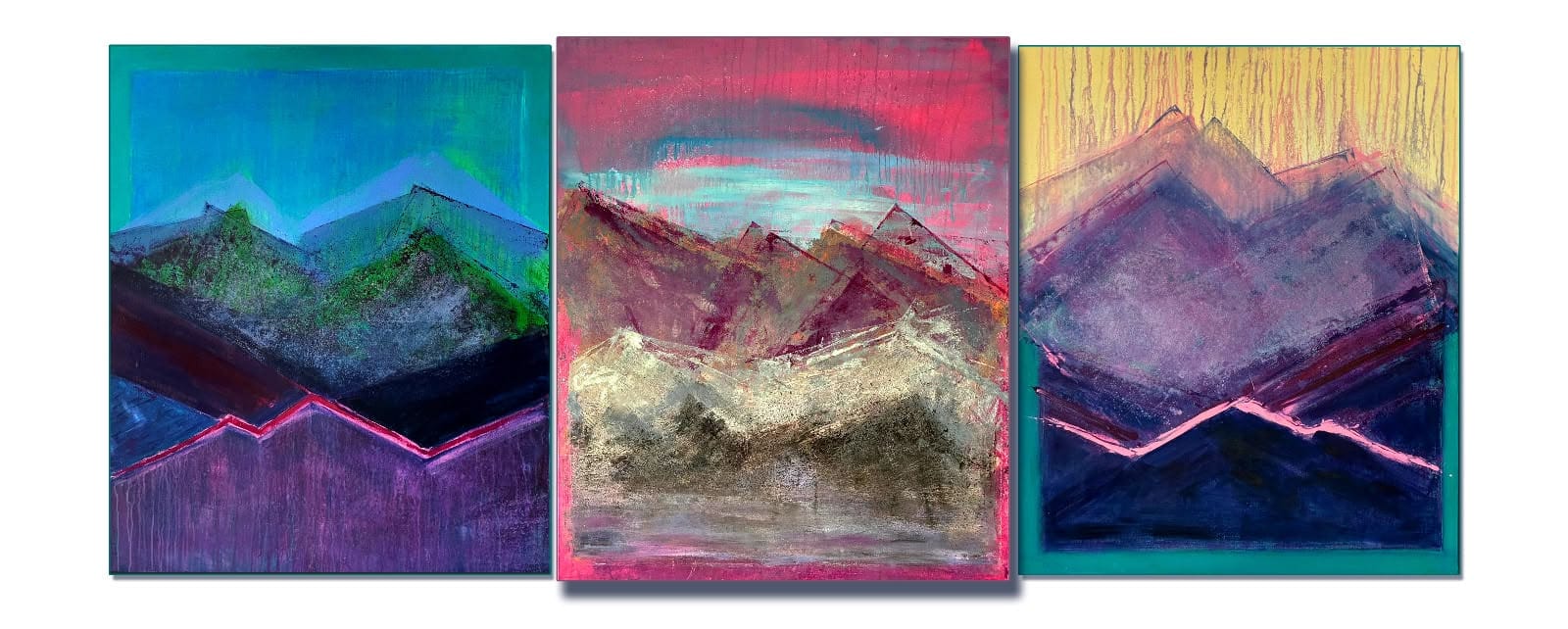
You have just had your exhibition Changes on the Horizon at Casa de las Tejerinas. The title itself speaks about change and about things we cannot yet fully see. Now that the exhibition has ended, do you feel you have changed the way you look towards that horizon? What do you see now that perhaps you couldn’t see when you first started painting this series?
As Heraclitus said: “The only constant is change.” Nothing lasts forever, and the world around us is constantly evolving. As I have painted these works and become more familiar with these landscapes, I feel that I am deepening my connection with nature and with the emotions it awakens in me. I hope this will be visible in my upcoming paintings.
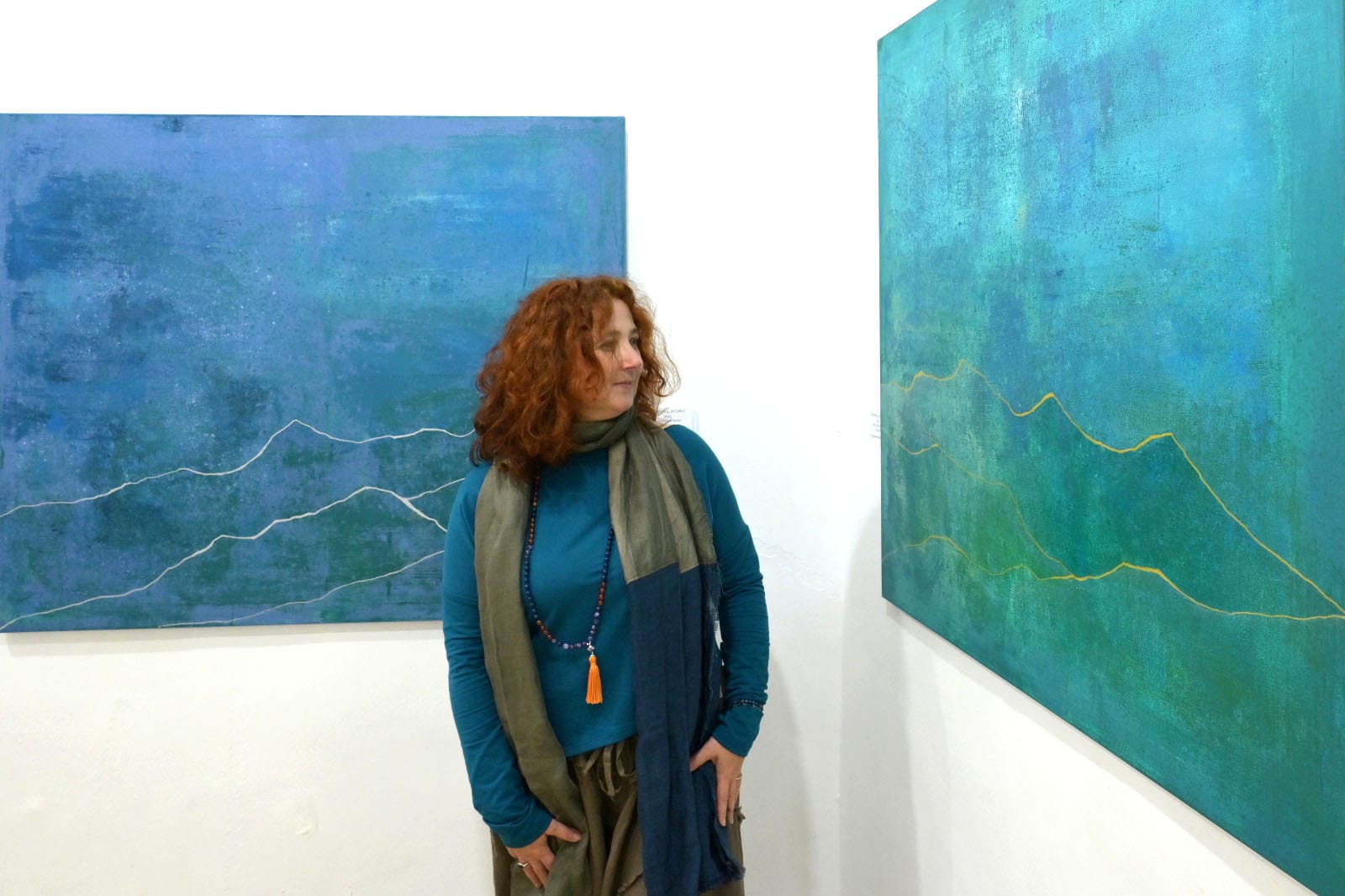
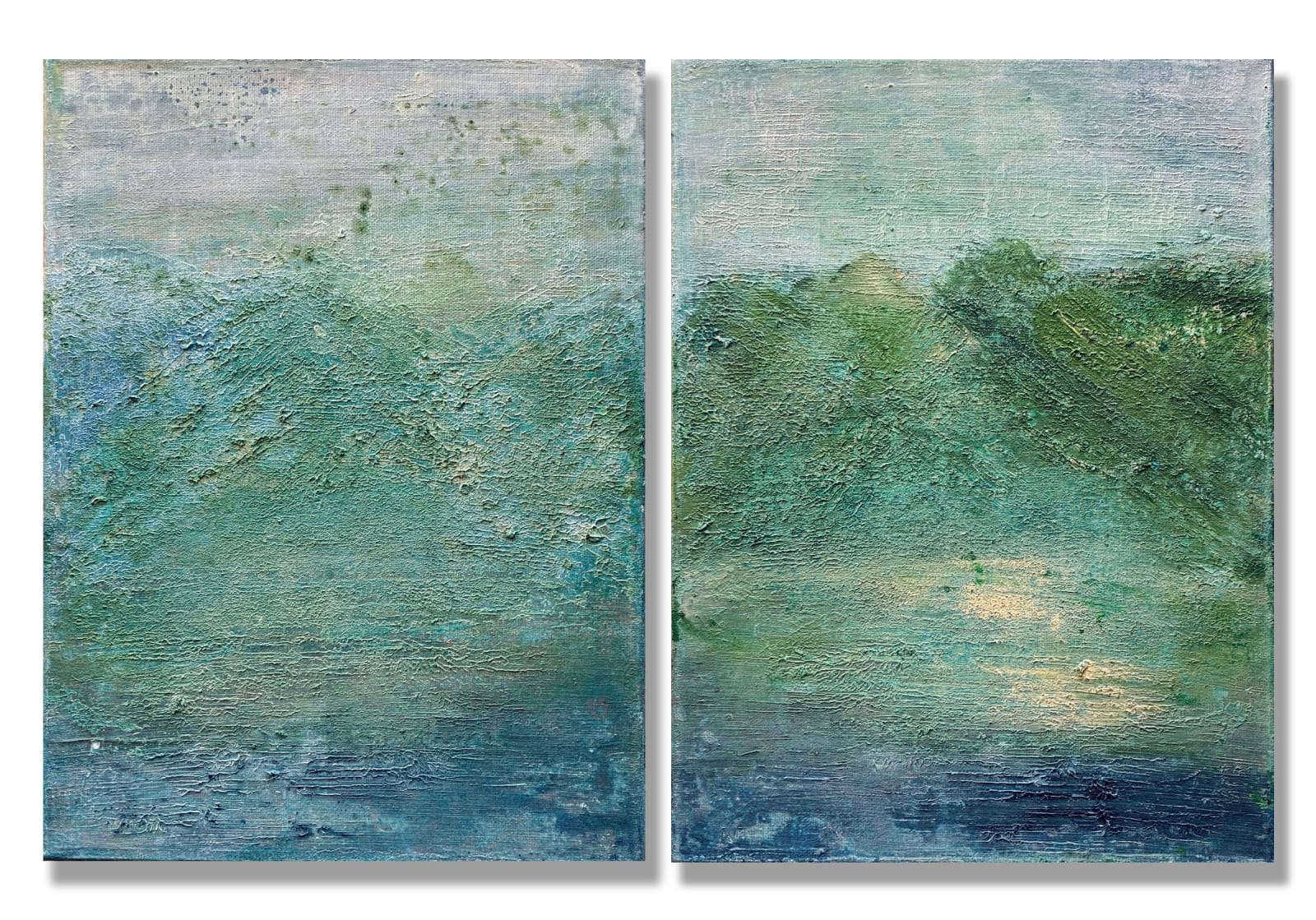
After so many years of creating, what have you learned about yourself through your own work?
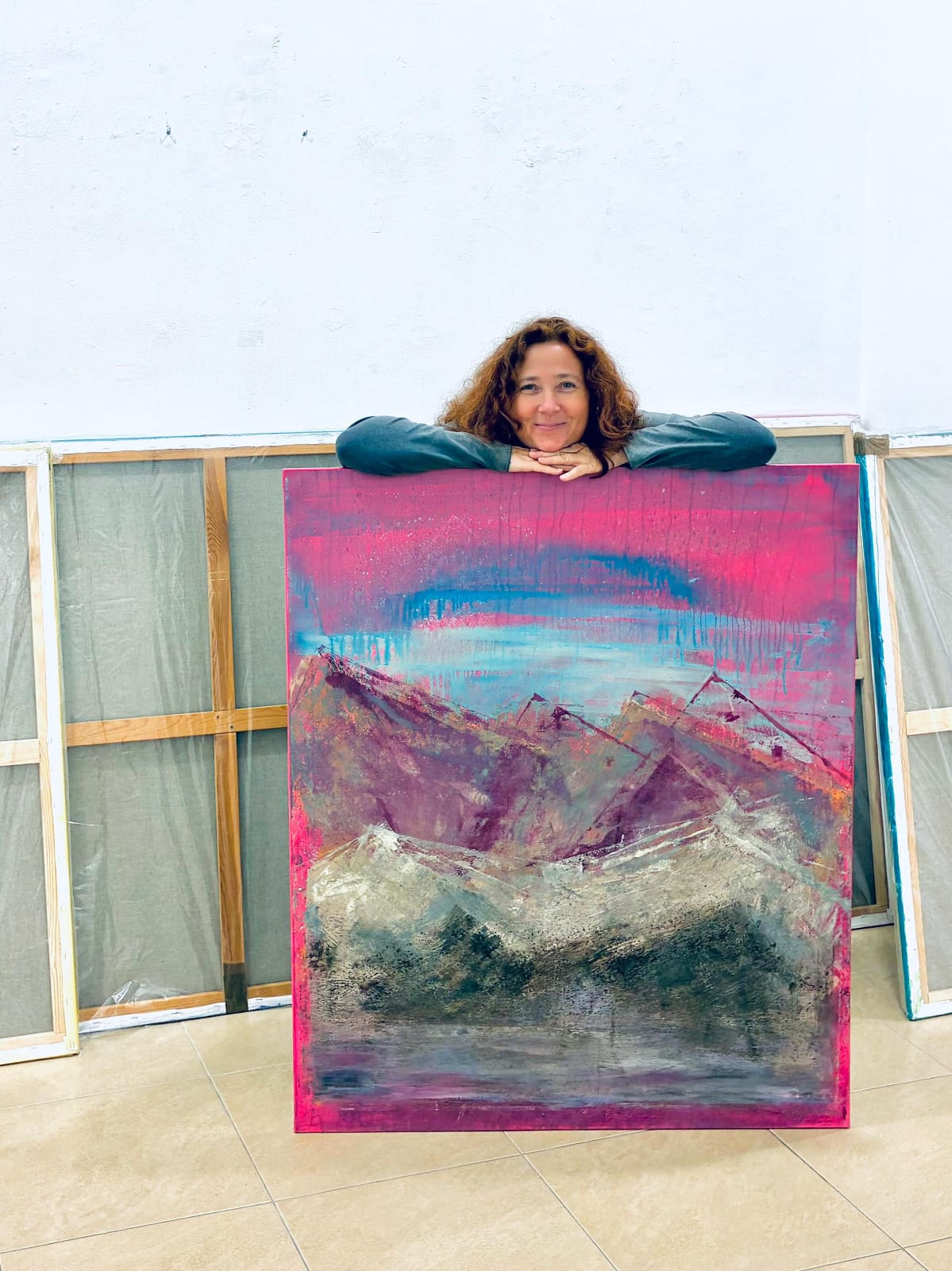
I have learned a million things about myself. If I had to put it into one sentence, I would say this: “One of the most important things in life is to create.”
And finally, I want to return to that Aga who used to draw and paint at night, while looking after her children, working and doing everything else. If you could sit down across from her today, what would you tell her?
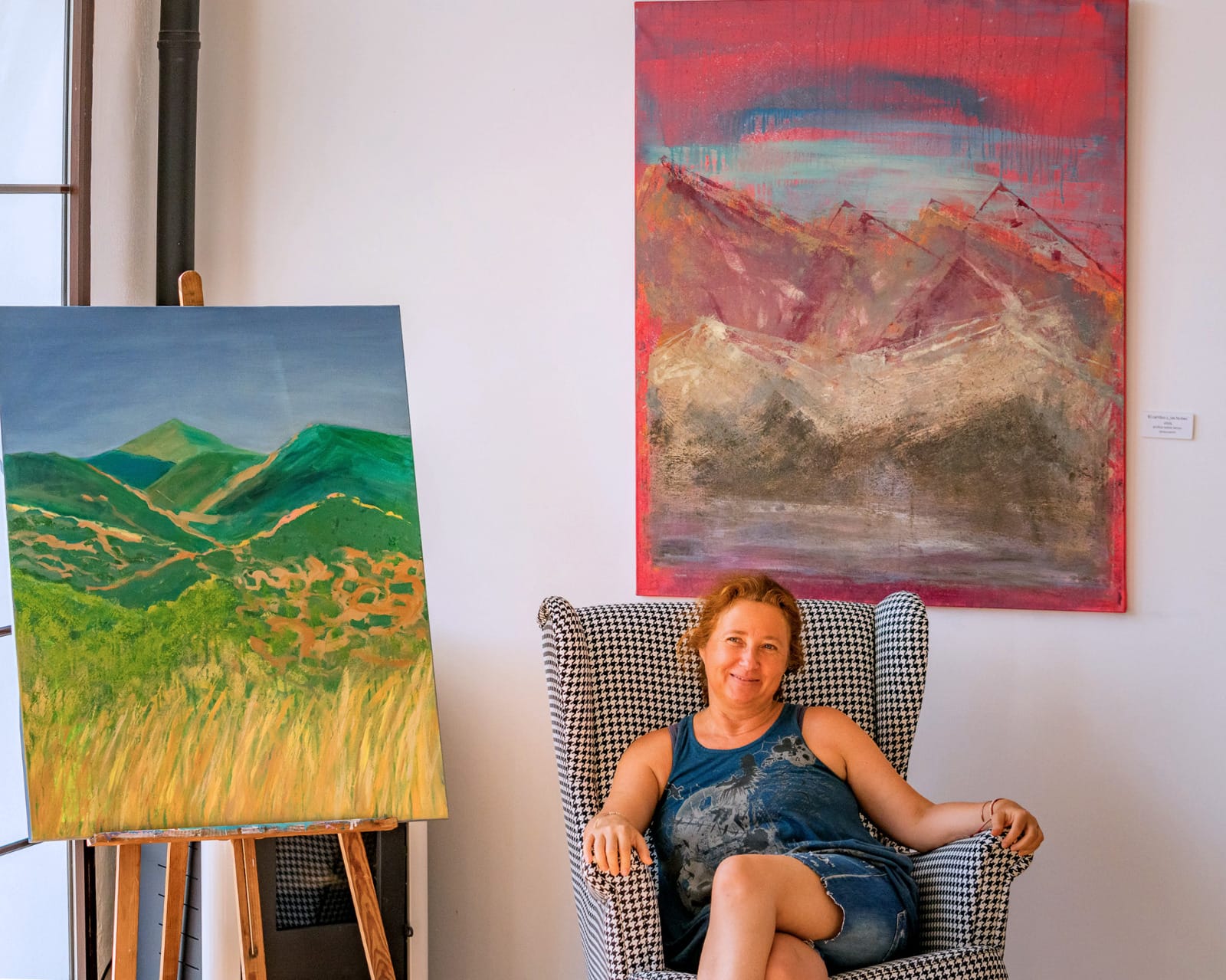
Never doubt the power of creation, and don’t be afraid to show what you create. Someone out there may need it.
photos: Tom Soltron , Hotel Rural Mirador de Jubrique